Dogs
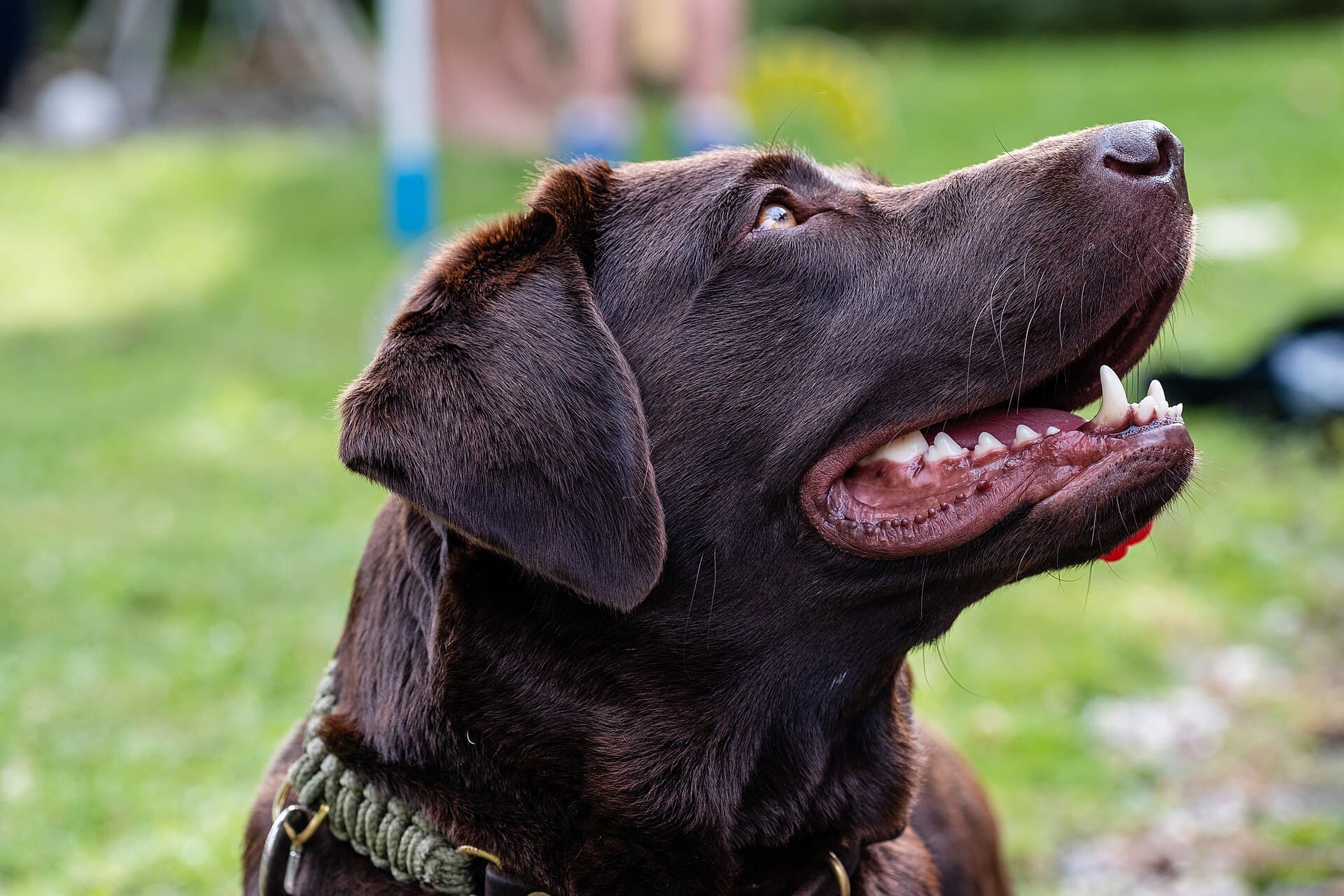
Why do dogs eat grass? What the research says
15 November 2026, 3 min read
15 November 2026, 3 min read
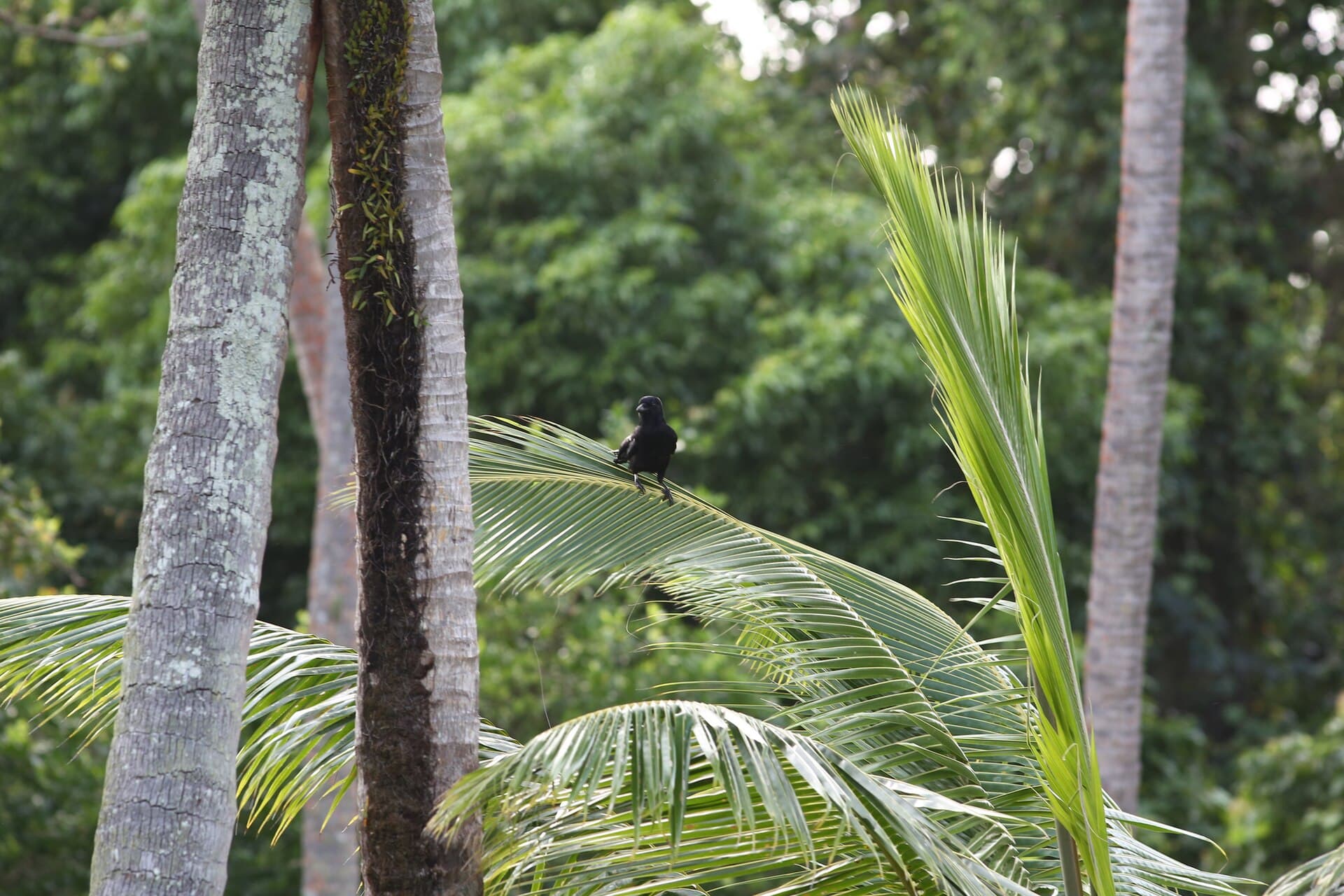
New Caledonian crow
Wild crows kept scolding a masked researcher for years after being trapped by someone wearing that mask.
Read about the new caledonian crow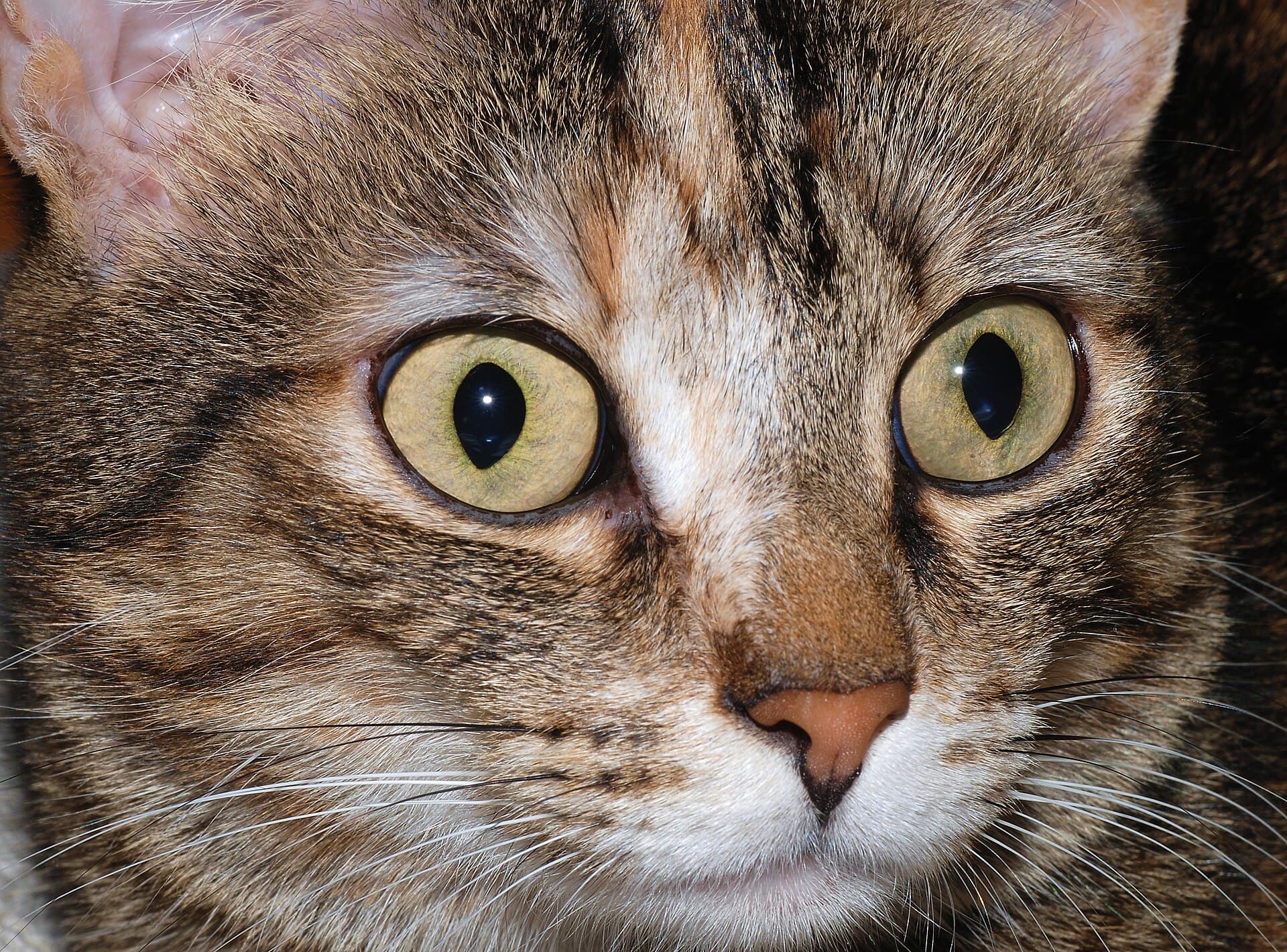
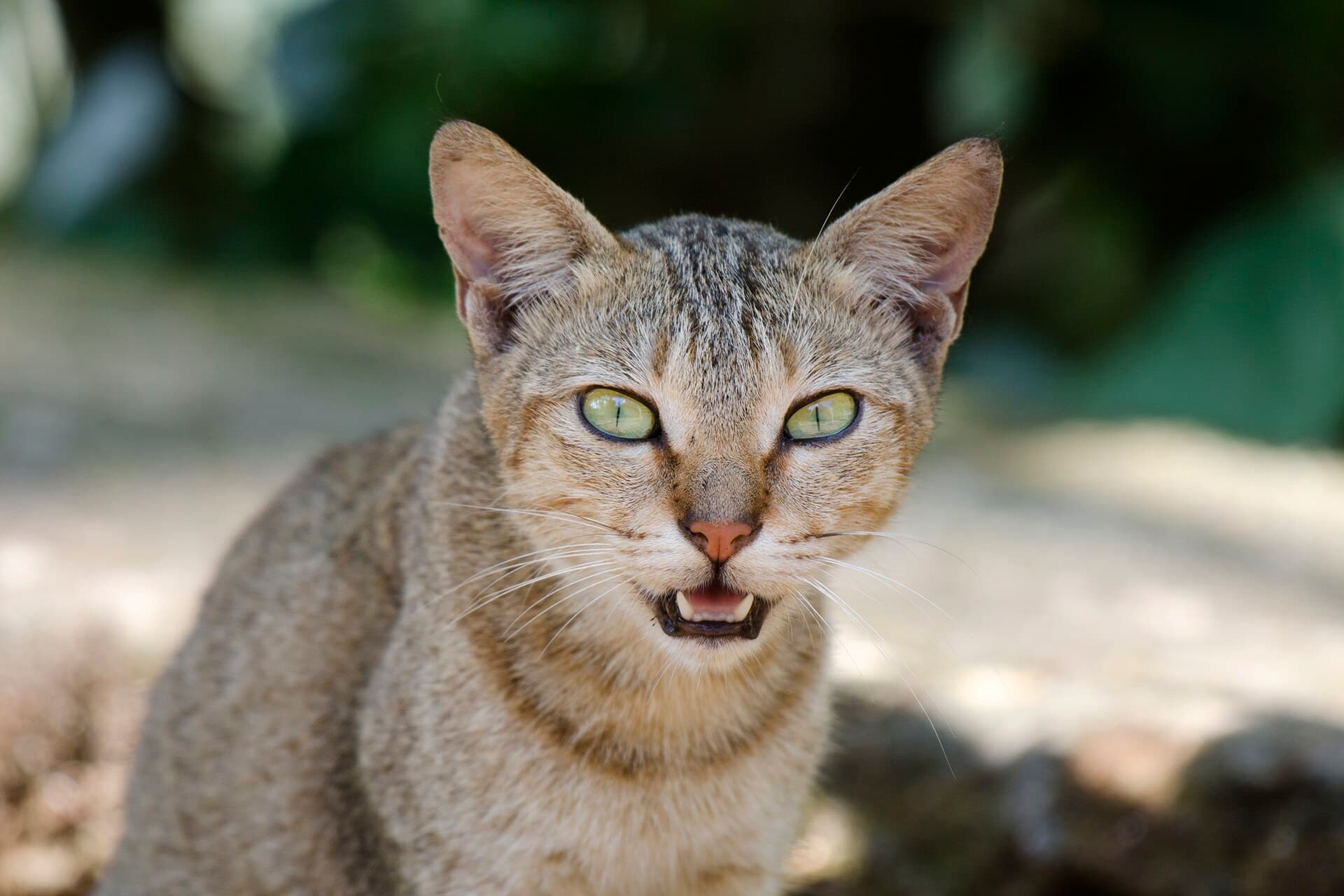
Domestic cat
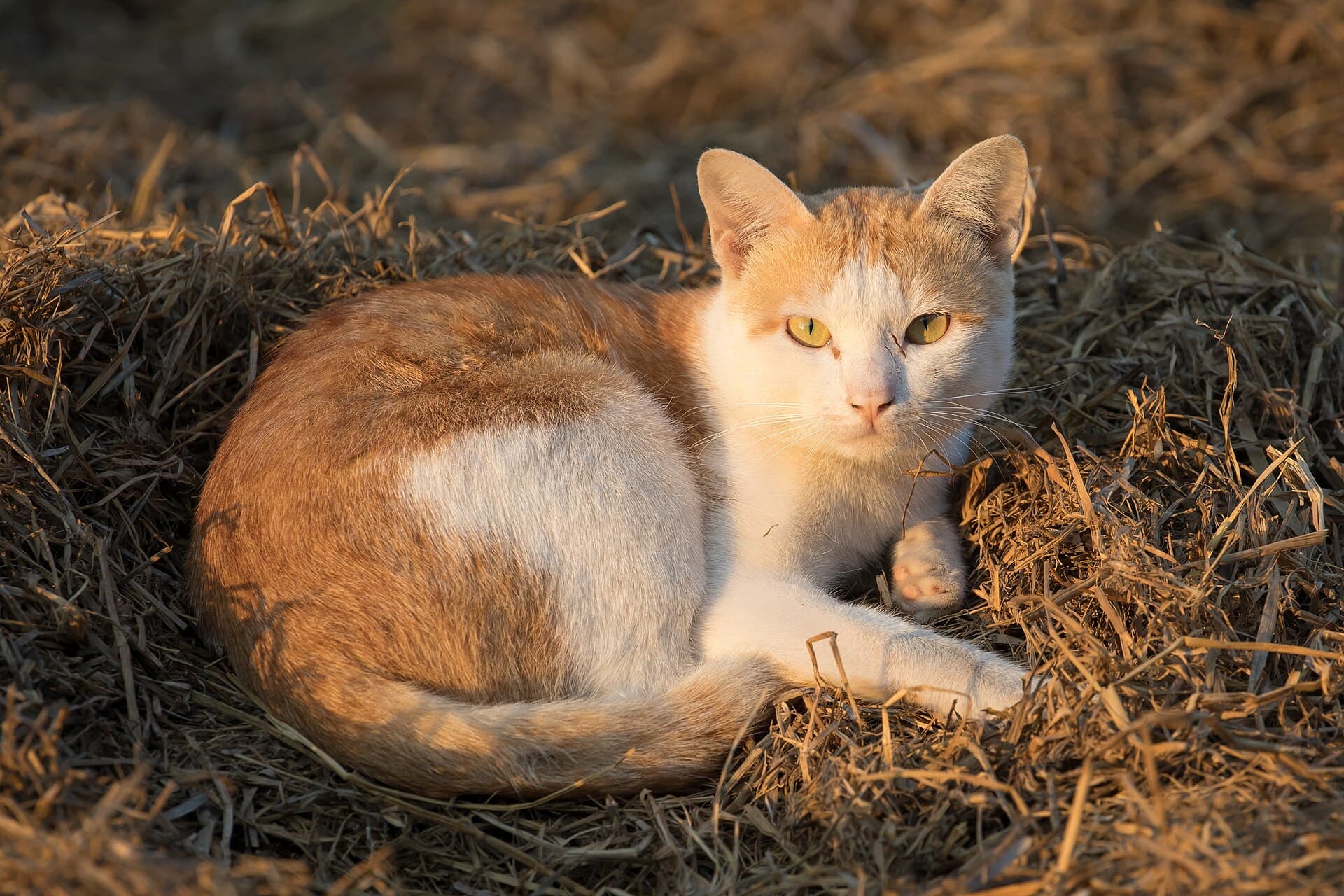
Pet cats reacted more to their own name than to similar-sounding words, even when a stranger said it.
Read about the domestic cat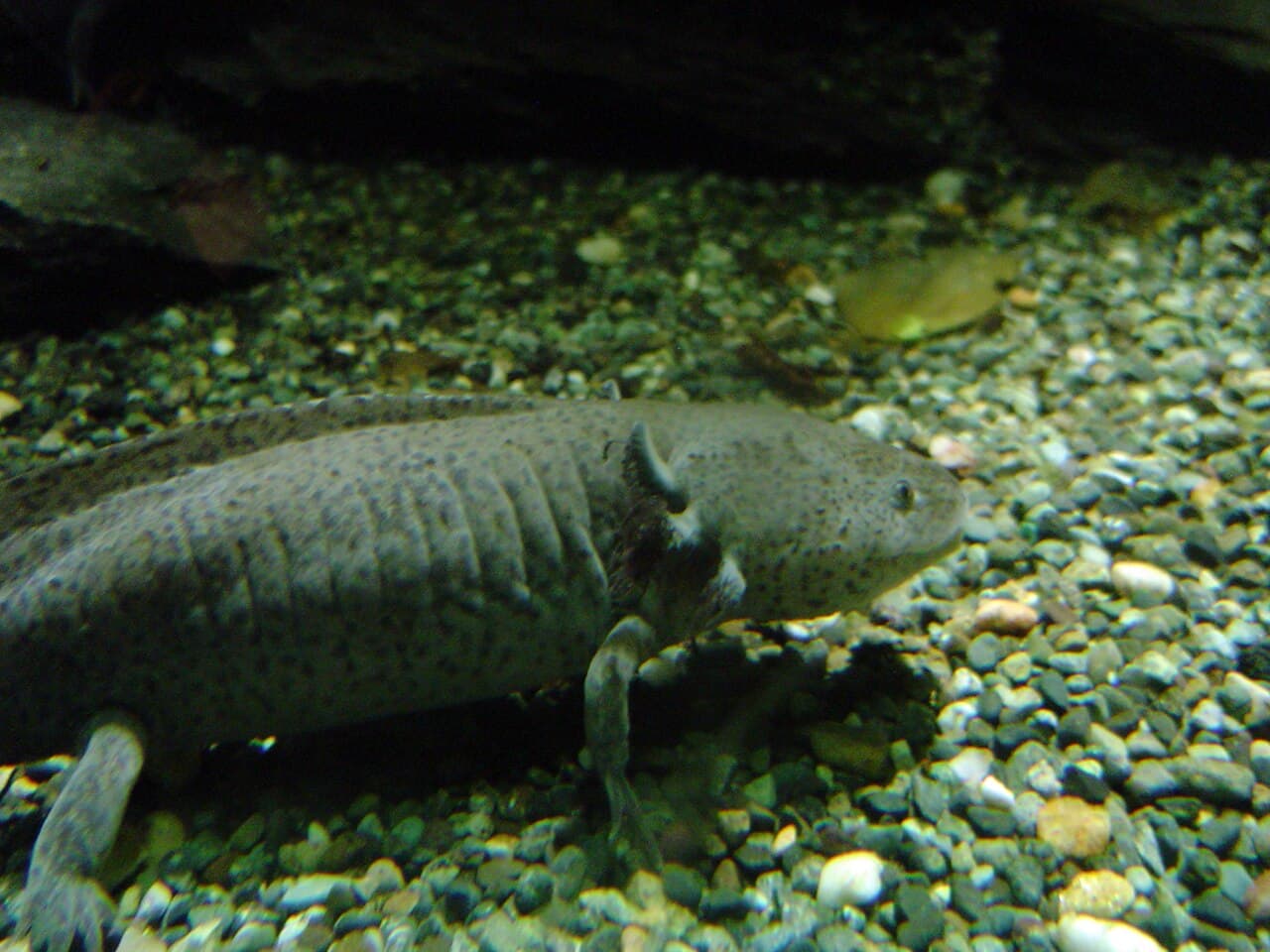
Axolotl
Wild axolotl numbers in Xochimilco fell from about 6,000 to about 35 per square kilometer between 1998 and 2014.
Read about the axolotl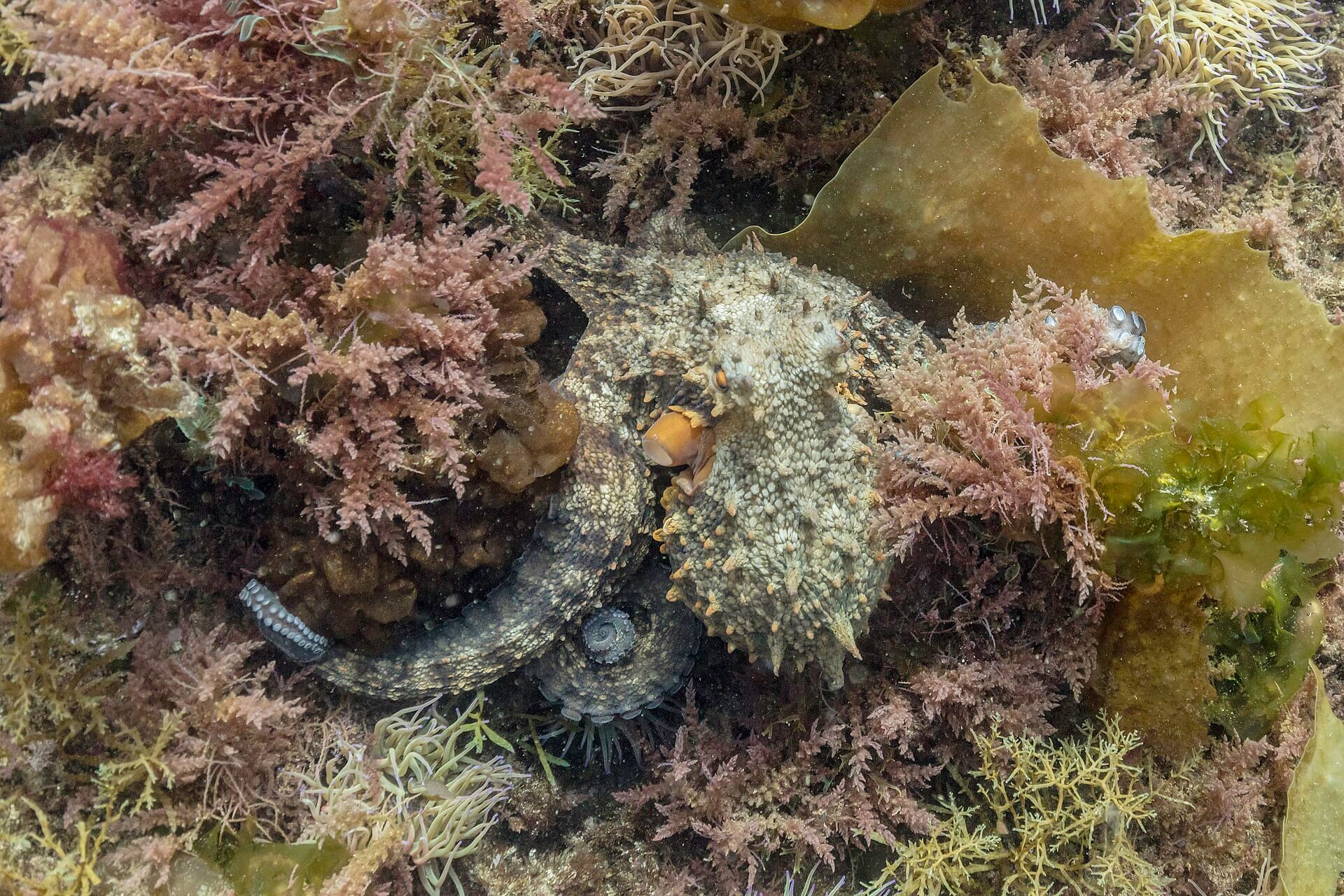
Common octopus
About two-thirds of a common octopus's neurons are in its arms, not its central brain.
Read about the common octopusEvidence-based behavior and care for the animals we share our homes with.
Cats
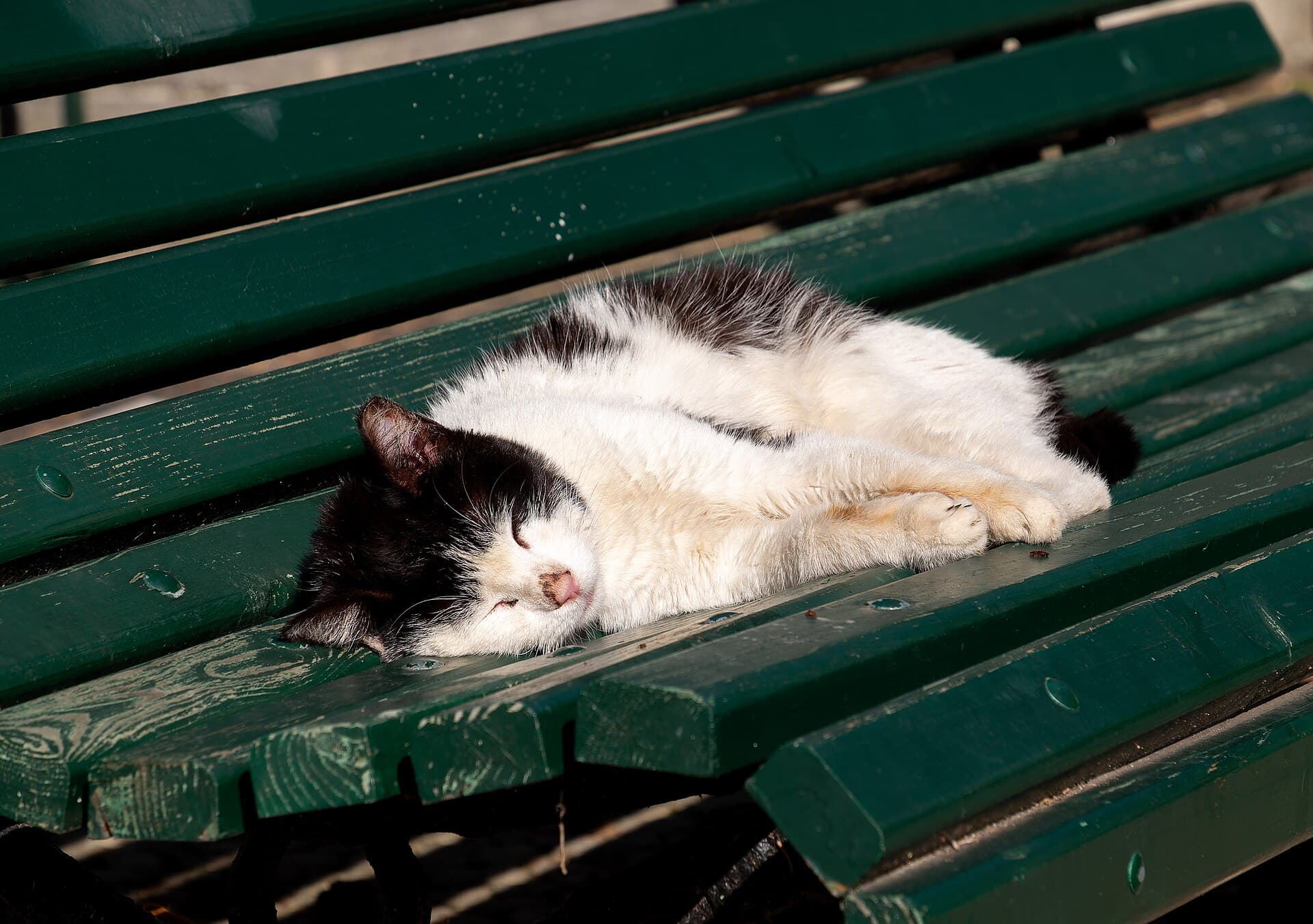
Your cat may ignore you, but it probably recognizes its name. How Japanese researchers tested this in homes and a cat café, and how to use the name well.
Dogs
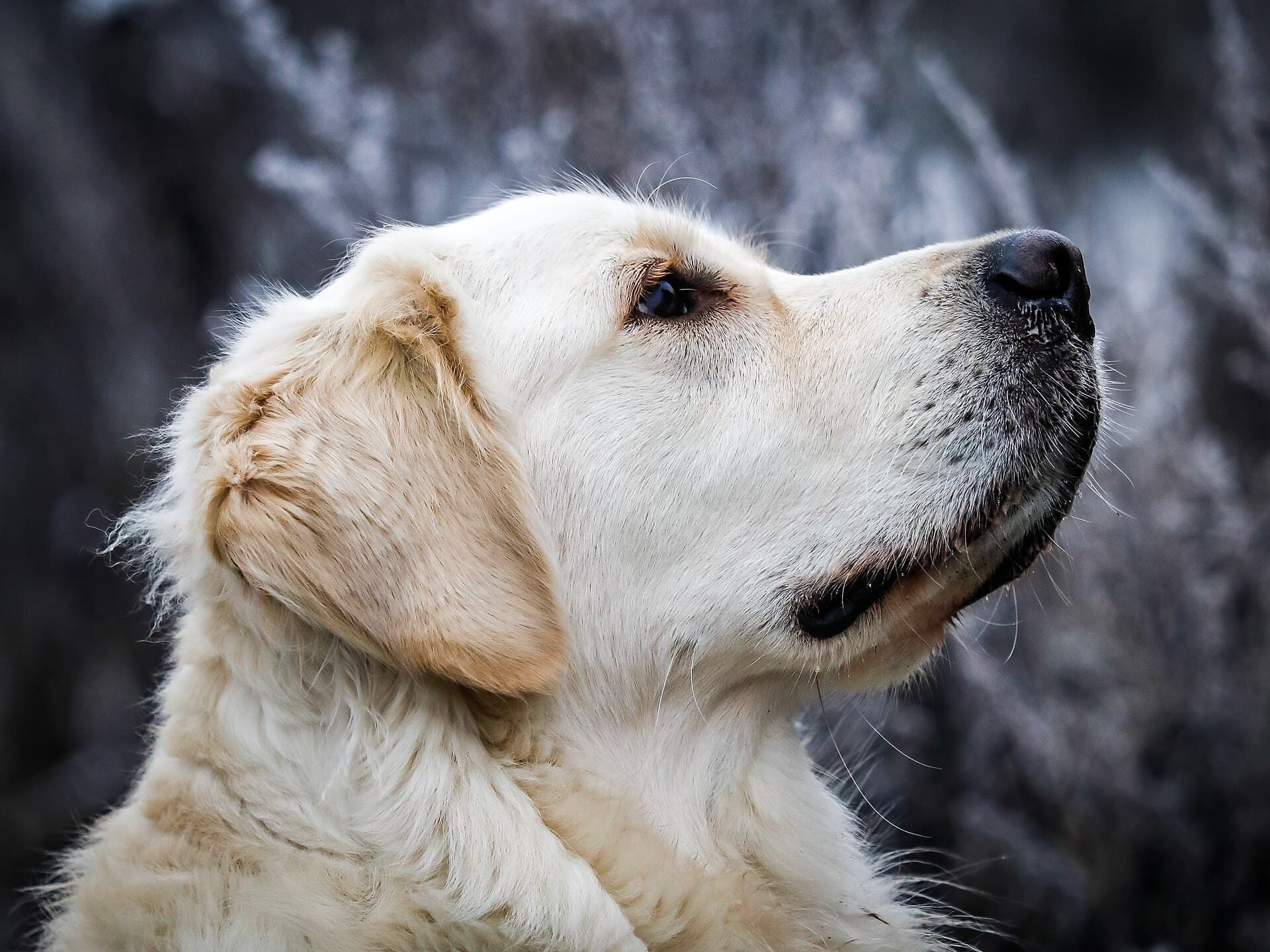
Dogs follow a pointing finger better than chimpanzees and may have evolved a muscle for puppy dog eyes. What research says about how dogs read us.
Dogs
Lowered eyes, ears back, tail tucked. An experiment found the guilty look appeared when owners scolded, whether or not the dog had done anything wrong.
Make your guess, then tap a card to see what the research says.
Myth
Mostly myth. In a large owner survey, fewer than 1 in 10 dogs looked unwell before grazing.
Read the evidenceMyth
Myth. Cats also purr when stressed, hurt or asking for food.
Read the evidenceFact
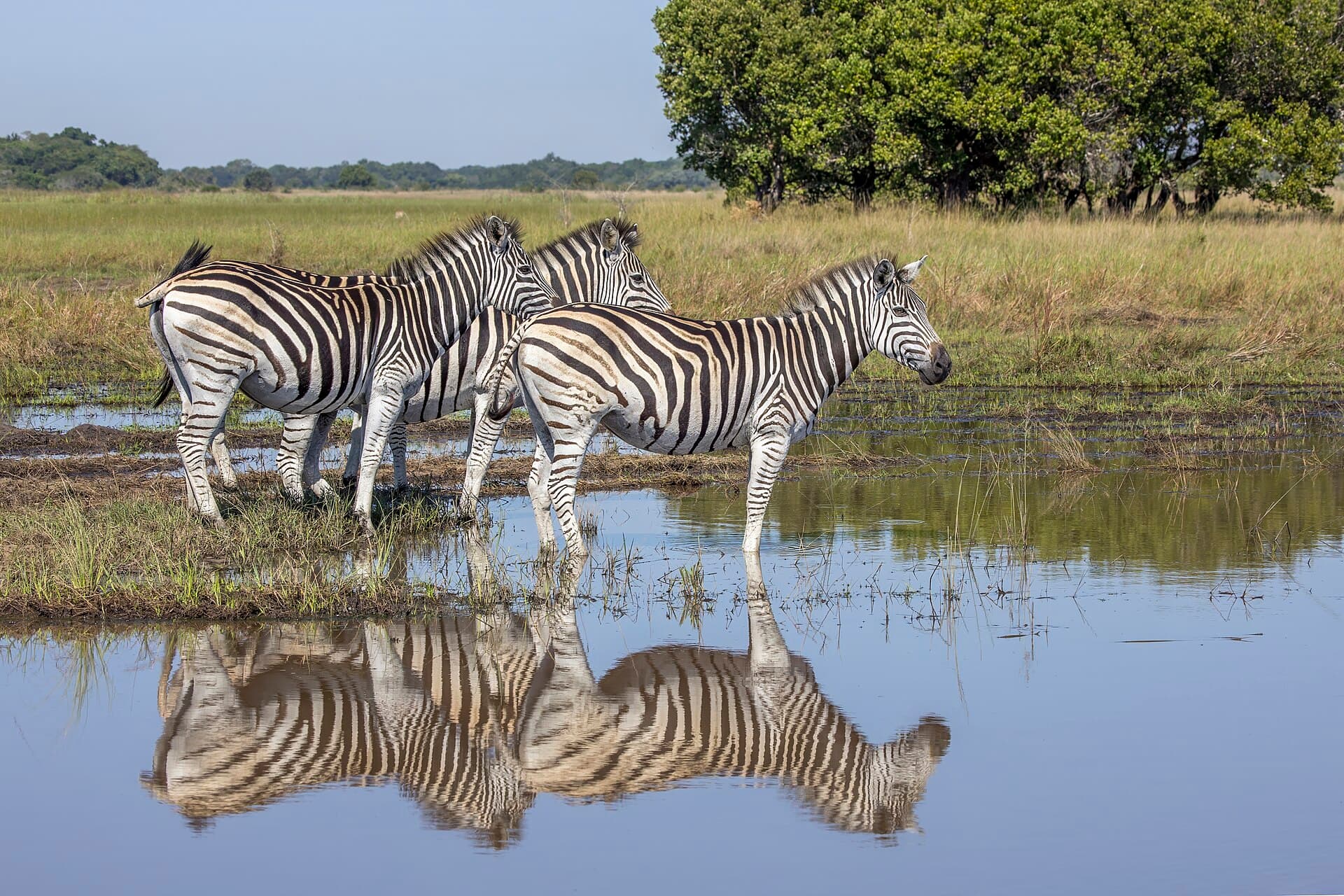
Fact. Horse flies approach striped coats but struggle to land on them.
Read the evidenceMyth
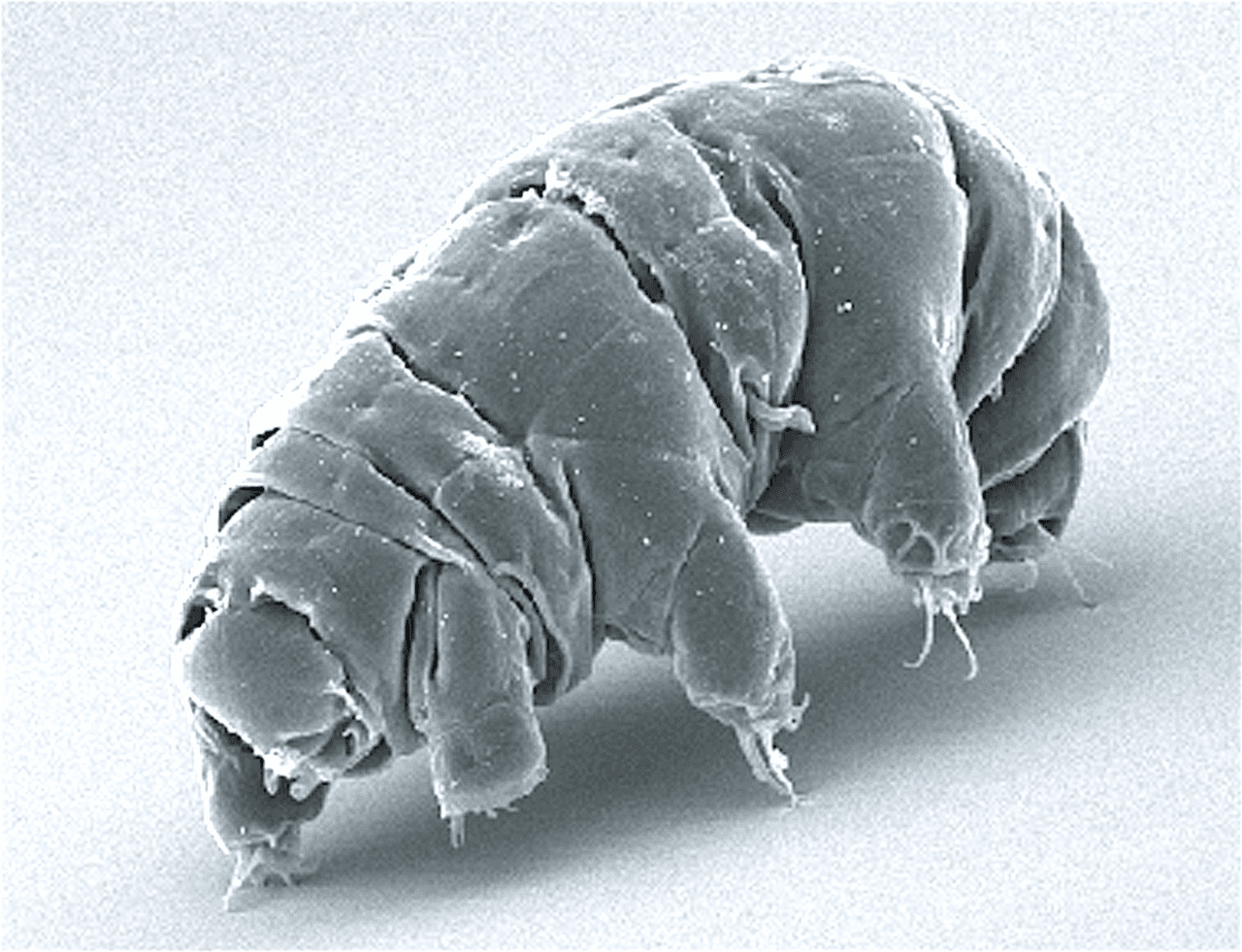
Myth. Active tardigrades of one species died after about a day at 37 °C.
Read the evidenceFact
Fact. Cats react more to their name than to similar words, even from a stranger.
Read the evidenceMyth
Myth. The look tracks the owner's scolding, not what the dog did.
Read the evidenceField science on how wild animals think, move and survive, from zebras to tardigrades.
Birds
Crows make hooked tools, drop stones to raise water levels and hold grudges against specific people for years. Here is what the experiments show.
Ocean life
Axolotls keep their feathery gills for life and can regrow lost limbs. They are also critically endangered in the one place they live in the wild.
Ocean life
Most of an octopus's neurons are not in its brain but in its arms. How that lets each arm sense, taste and move with surprising independence.
Every species we have written about, A to Z.
Claims come from peer-reviewed studies, university sources or veterinary bodies.
Every article ends with links to the studies it relies on, so you can check them.
Spot a mistake? Contact us and the article is corrected with a new updated date.