How to tell if your cat is in pain
Cats hide pain well, but their faces and habits give them away. How the Feline Grimace Scale works, and the everyday changes that should prompt a vet visit.
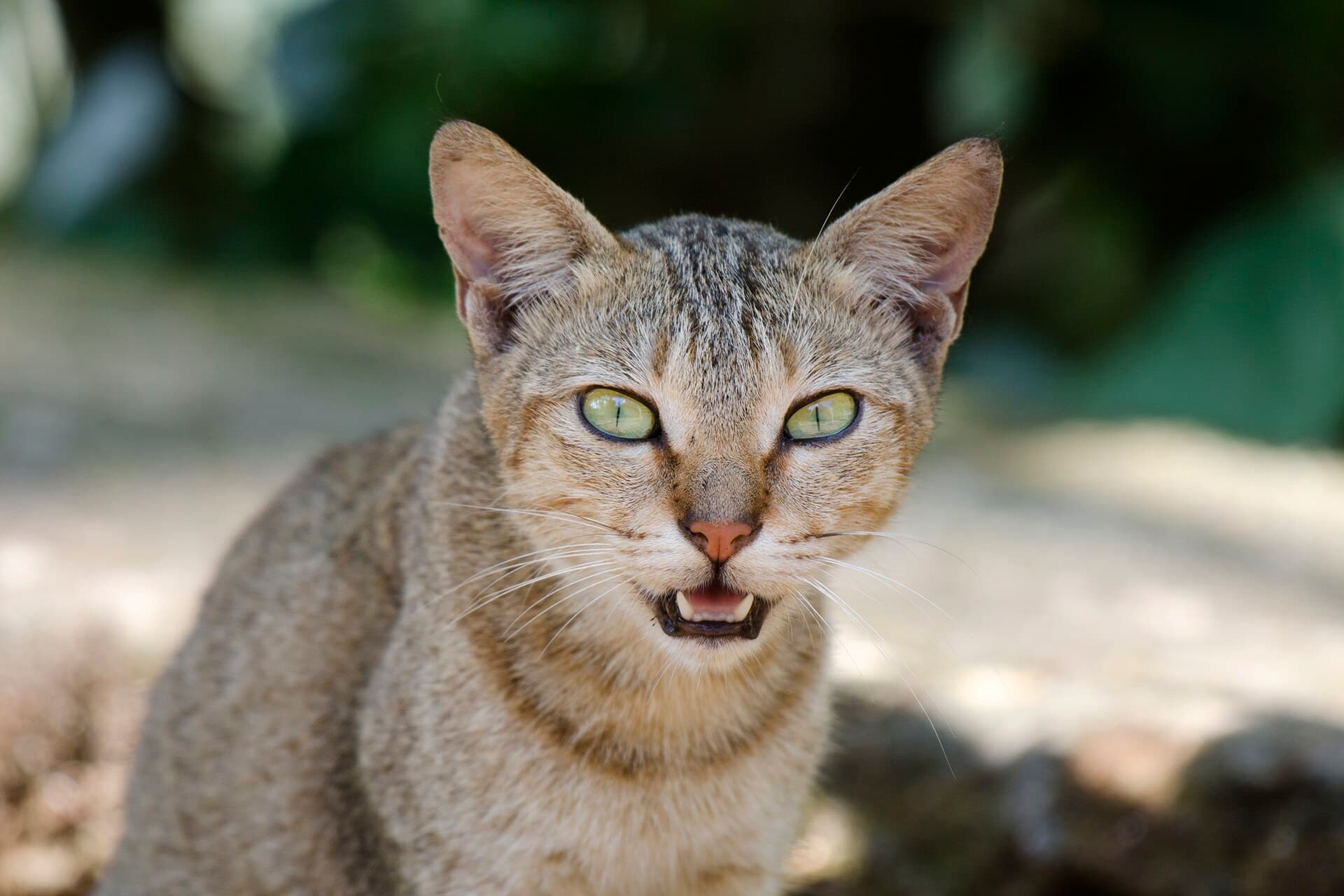
Cats are experts at hiding discomfort. In the wild, an animal that looks weak is more likely to be targeted by predators, so the instinct to carry on as normal runs deep. For owners, that means pain often goes unnoticed until it is advanced.
The good news is that cats do show pain. You just have to know where to look.
Pain shows on the face
In 2019, a team of veterinary researchers at the University of Montreal published the Feline Grimace Scale in the journal Scientific Reports. They compared videos of cats in pain with pain-free cats and identified five facial changes, called action units, that reliably signaled pain:
- Ear position. Relaxed cats hold their ears upright and facing forward. Cats in pain rotate their ears outward and flatten them apart.
- Orbital tightening. The eyes narrow or squint.
- Muzzle tension. The area around the nose and mouth becomes tense and more elliptical in shape.
- Whisker position. Instead of being loose and curved, the whiskers become straighter and point forward.
- Head position. The head is held lower, below the line of the shoulders, with the chin tucked.
Each feature is scored 0, 1 or 2. The total score helps vets judge whether a cat needs pain relief, and the study found the scale gave consistent results between different observers. Scoring takes about 30 seconds and is now used in clinics around the world.
You don't need to score your cat at home, but knowing these features helps. A cat sitting hunched with squinted eyes, tense muzzle and ears turned out is not simply "tired."
Changes in everyday behavior
Pain often shows up first as small changes in routine. Watch for:
- Less jumping. Hesitating before jumping, jumping only to lower surfaces or taking the stairs instead.
- Litter box changes. Going outside the box can be a sign that climbing in hurts, or that urinating is painful.
- Grooming changes. Less grooming, especially of the lower back, leading to a scruffy or matted coat. Some cats over-groom one painful spot instead.
- Hiding or withdrawal. Spending more time alone, or avoiding being touched in a particular area.
- Appetite changes. Eating less, or chewing on one side, which can indicate dental pain.
- Irritability. Hissing or swatting when handled, in a cat that was previously relaxed.
Arthritis is more common than many owners think
Degenerative joint disease is common in older cats, but it is often missed because cats rarely limp. A 2002 study of older cats found radiographic signs of joint disease in about 90 percent of cats over 12 years old.
If your senior cat has stopped using a favorite high perch or seems stiff after resting, mention it to your vet. Pain relief, weight management and simple changes at home can make a big difference.
Simple ways to help at home
- Make access easier. Add steps or ramps to favorite spots, and choose a litter box with a low entry.
- Keep a diary. Note changes in jumping, appetite and litter habits. A written record helps your vet spot patterns.
- Take photos or short videos. Cats often behave differently at the clinic. A video of your cat walking or resting at home can be very useful.
- Never give human painkillers. Common medicines such as paracetamol (acetaminophen) and ibuprofen are toxic to cats and can be fatal. Only use pain relief prescribed by a vet.
When to call the vet
Call promptly if your cat stops eating for more than a day, strains in the litter box without producing urine, has difficulty breathing, or shows sudden severe changes in behavior. A male cat straining to urinate is an emergency, as a urinary blockage can become life-threatening within hours.
Your cat may never complain out loud. Learning to read its face and habits is one of the most useful things you can do for its long-term health.
Sources
- Evangelista M. C. et al. (2019). Facial expressions of pain in cats: the development and validation of a Feline Grimace Scale. Scientific Reports.
- Hardie E. M., Roe S. C. & Martin F. R. (2002). Radiographic evidence of degenerative joint disease in geriatric cats: 100 cases (1994–1997). Journal of the American Veterinary Medical Association.
Written by Your Name
Every claim in this article is checked against the published studies listed above. Found an error? Tell us and we will correct it.
Field fact
Vets can score a cat's pain from five facial features, including ear position and whisker shape.