Wild mammals
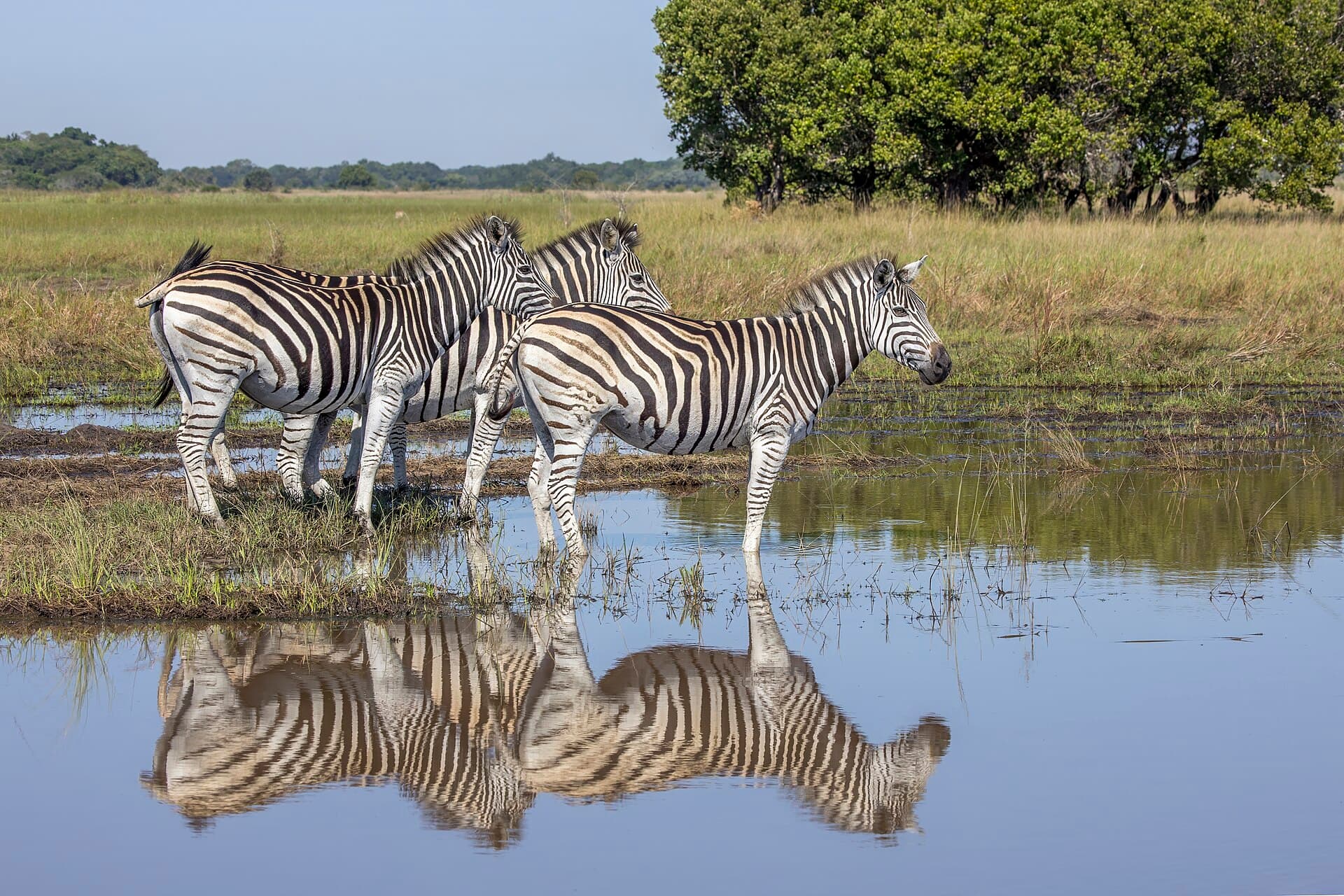
Why do zebras have stripes? The horse fly answer
For 150 years, scientists argued about camouflage, cooling and social signals. Then researchers dressed horses in striped coats and watched what the flies did.
Field science on how wild animals think, move and survive, from zebras to tardigrades.
Wild mammals
For 150 years, scientists argued about camouflage, cooling and social signals. Then researchers dressed horses in striped coats and watched what the flies did.
Wild mammals
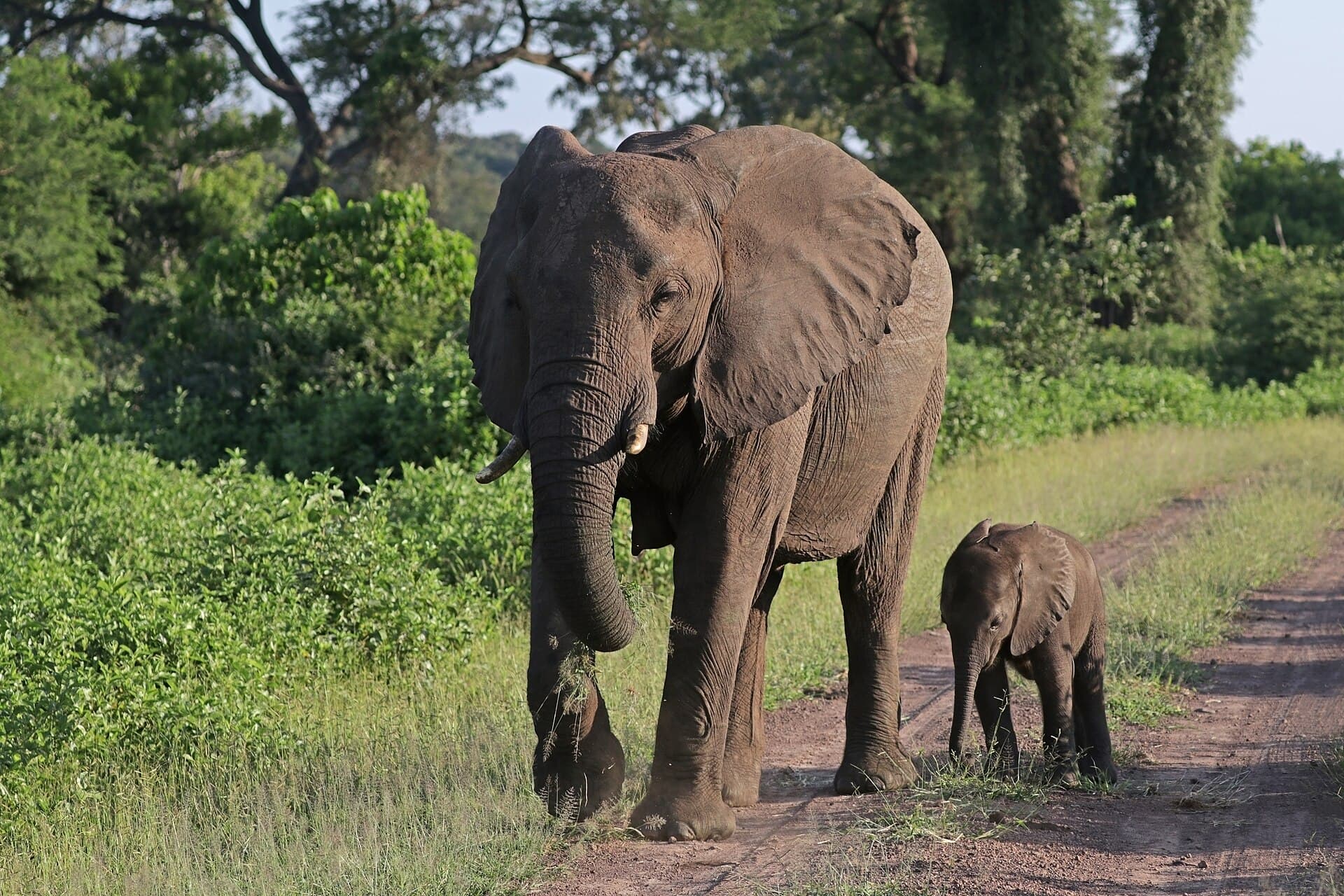
Wild African elephants appear to use name-like calls for each other, and they respond more to calls addressed to them. How researchers found the evidence.
Birds
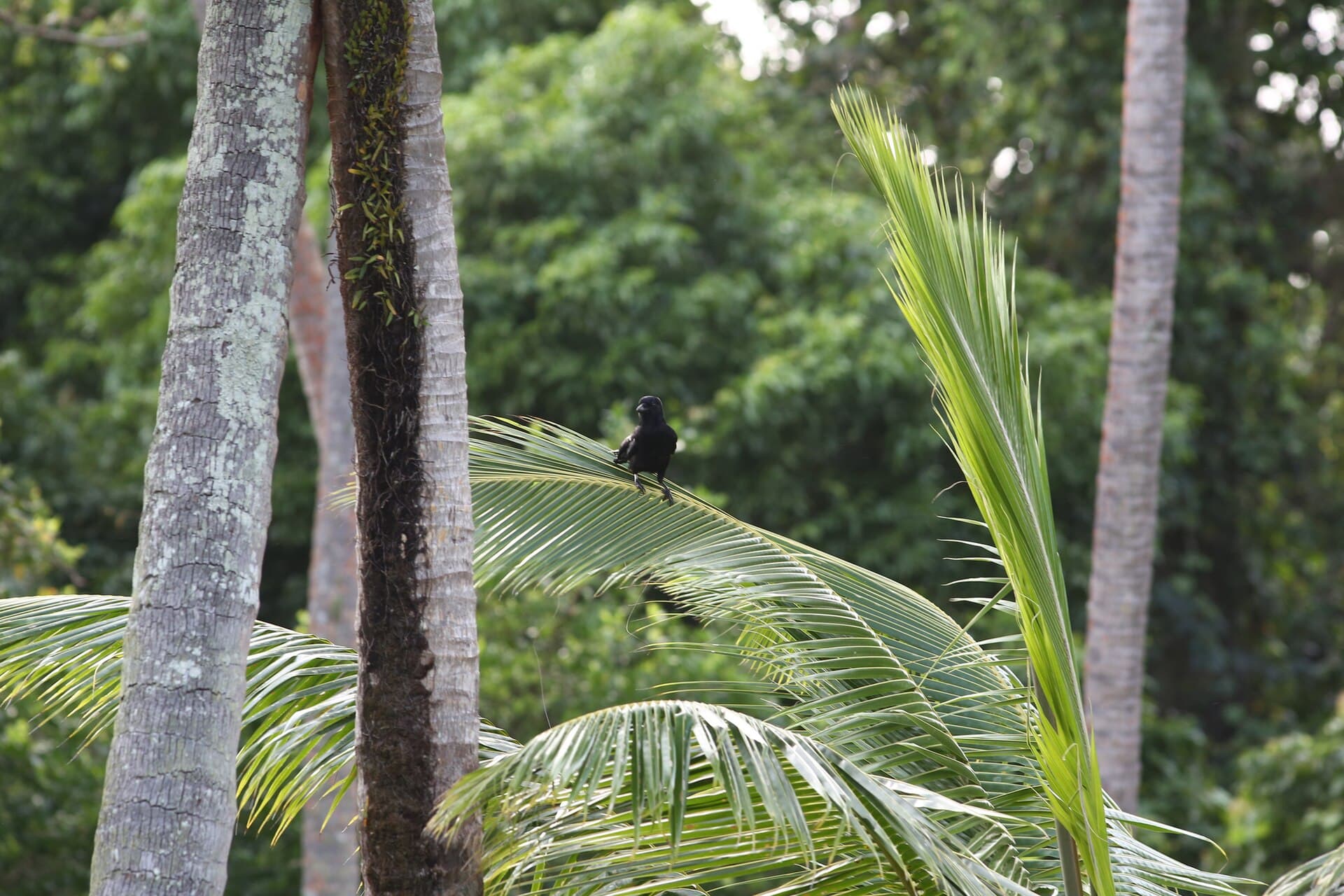
Crows make hooked tools, drop stones to raise water levels and hold grudges against specific people for years. Here is what the experiments show.
Ocean life
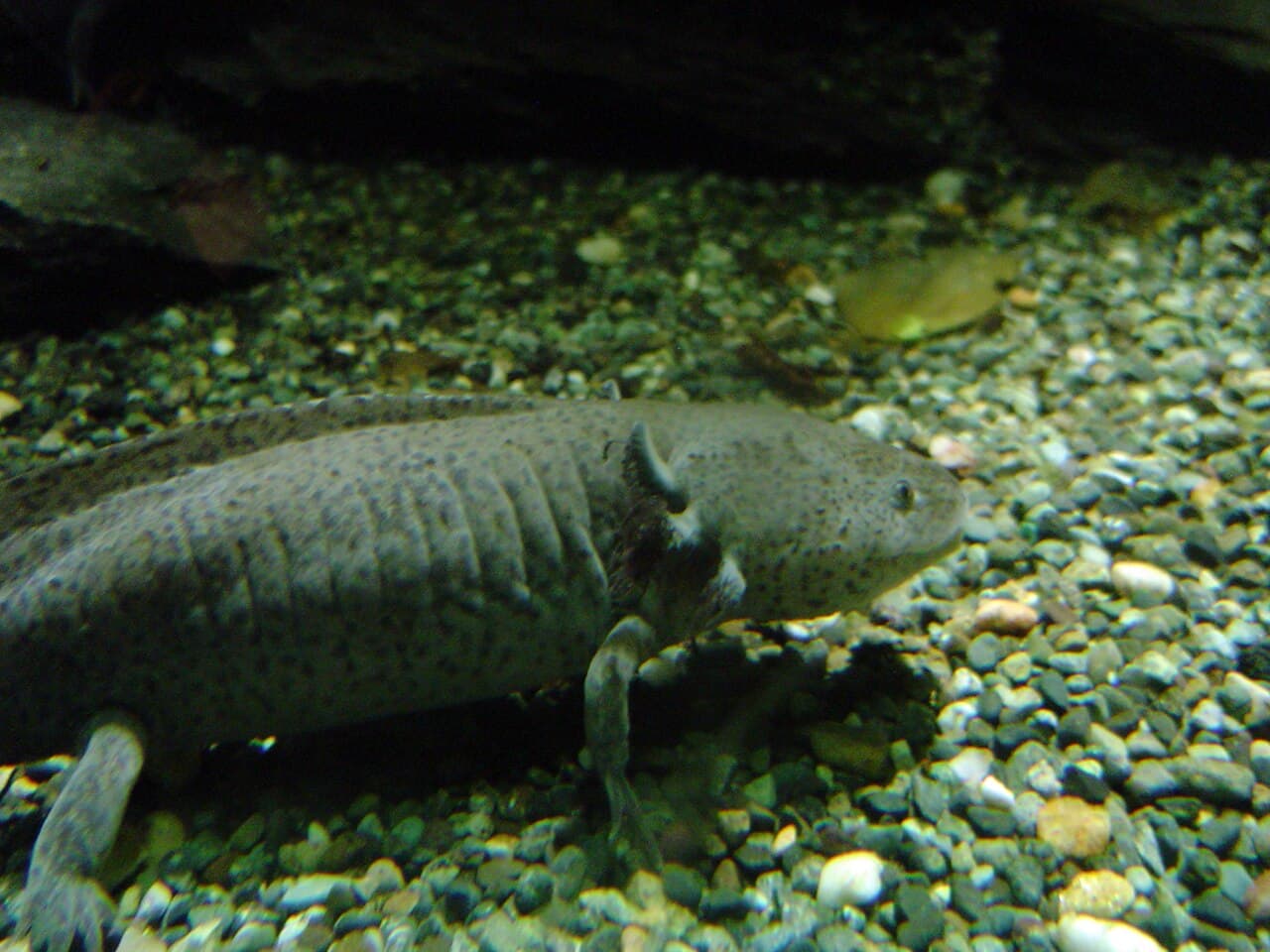
Axolotls keep their feathery gills for life and can regrow lost limbs. They are also critically endangered in the one place they live in the wild.
Ocean life
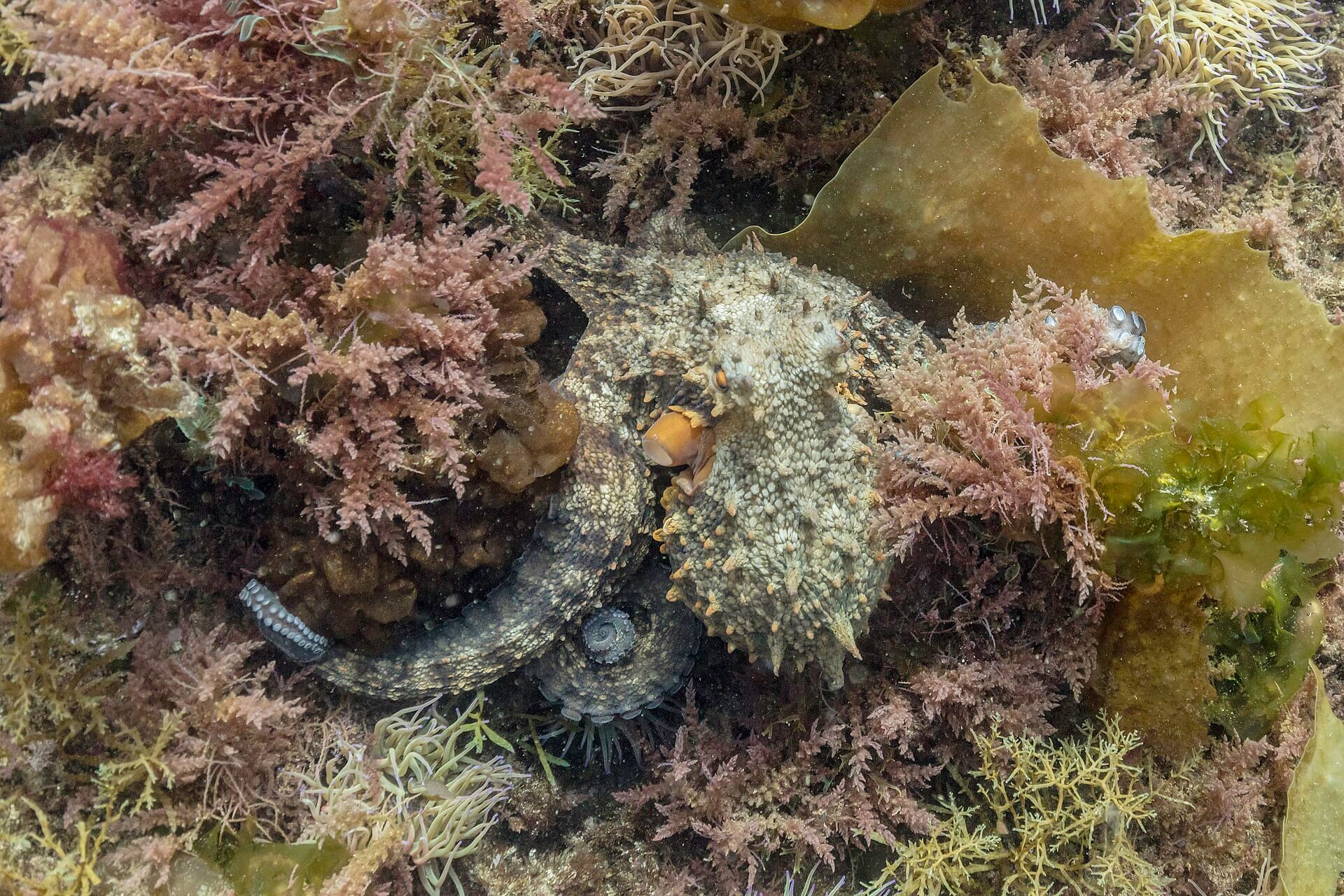
Most of an octopus's neurons are not in its brain but in its arms. How that lets each arm sense, taste and move with surprising independence.
Birds
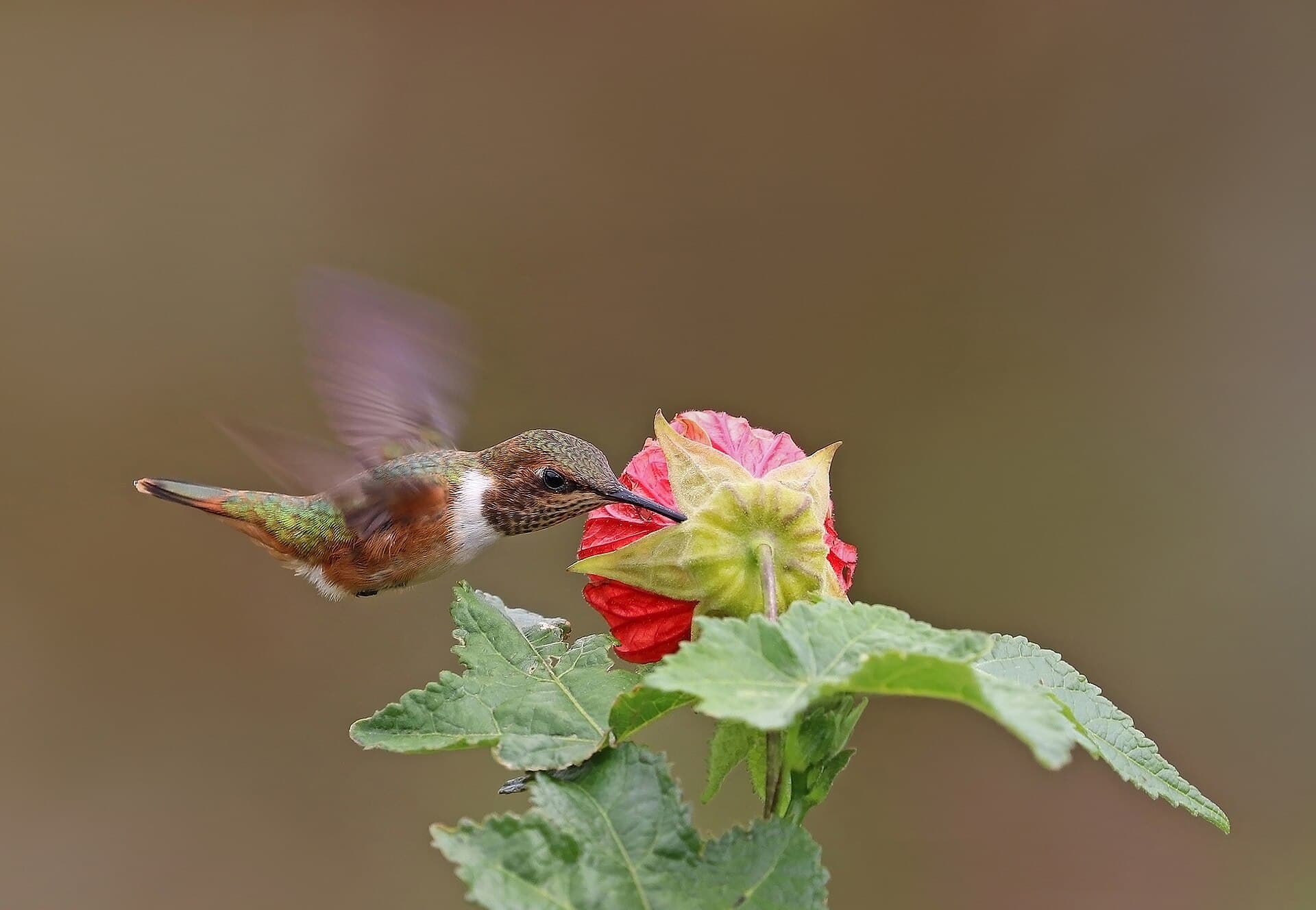
A hummingbird's heart can top 1,000 beats a minute. To avoid starving overnight, many species drop into torpor and cool their bodies by tens of degrees.
Tiny creatures
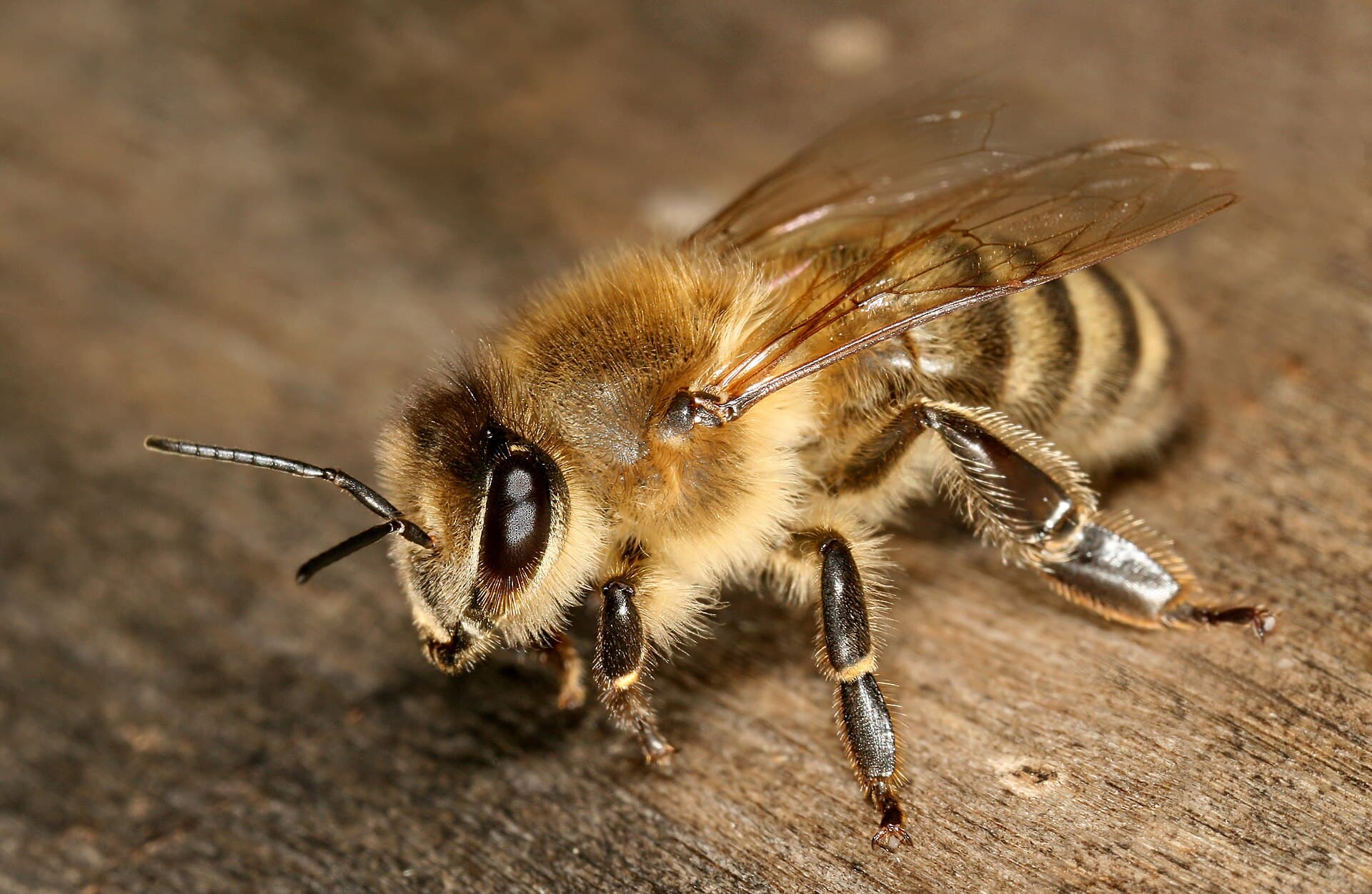
A honey bee can tell her sisters where to find flowers a kilometer away, using a dance on the honeycomb. How the code works and how it was proved.
Tiny creatures
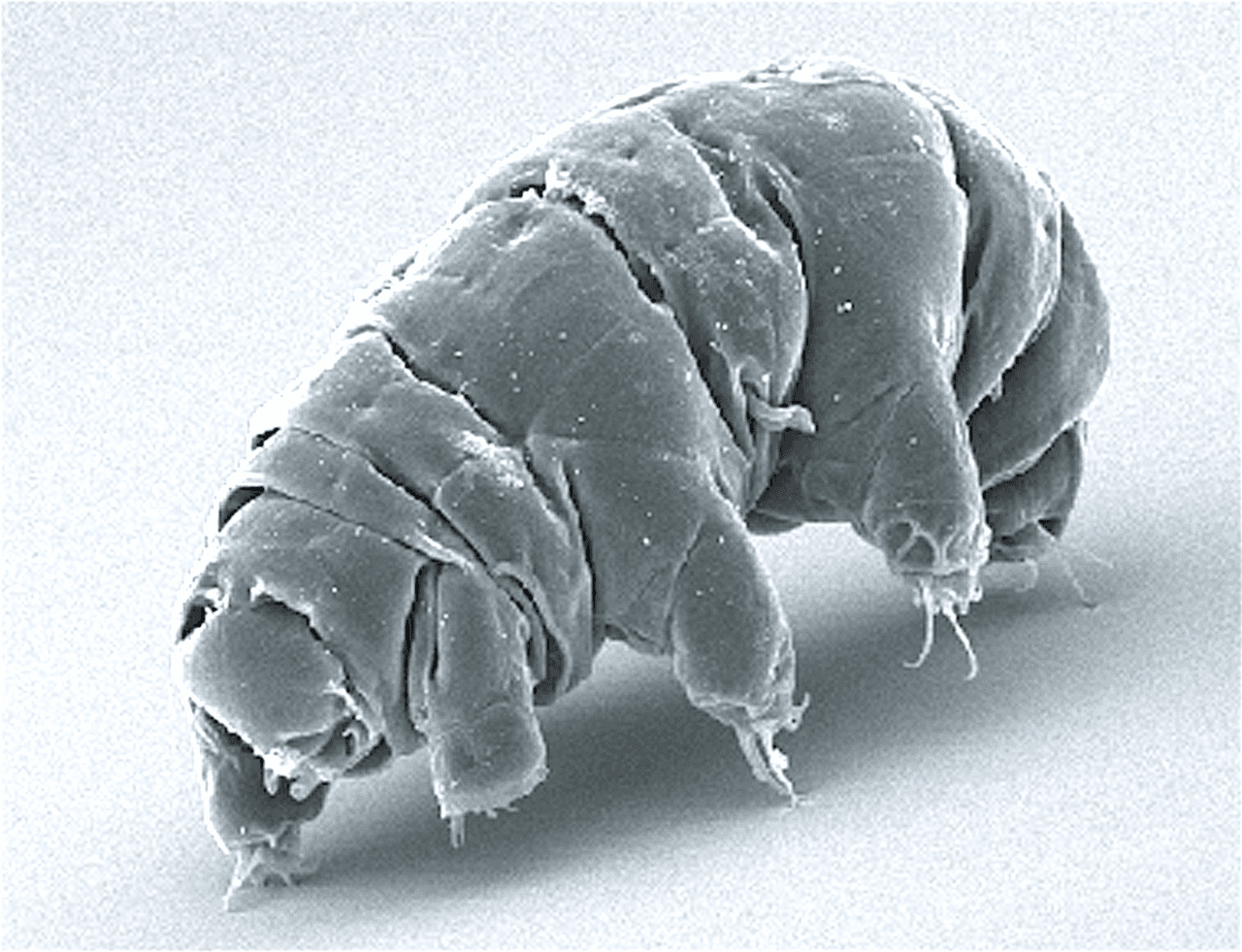
Water bears have survived the vacuum of space, but they are not indestructible. How they endure extremes, and where the popular myths go too far.
Looking for something else? Browse pets articles.