Do elephants call each other by name?
Wild African elephants appear to use name-like calls for each other, and they respond more to calls addressed to them. How researchers found the evidence.
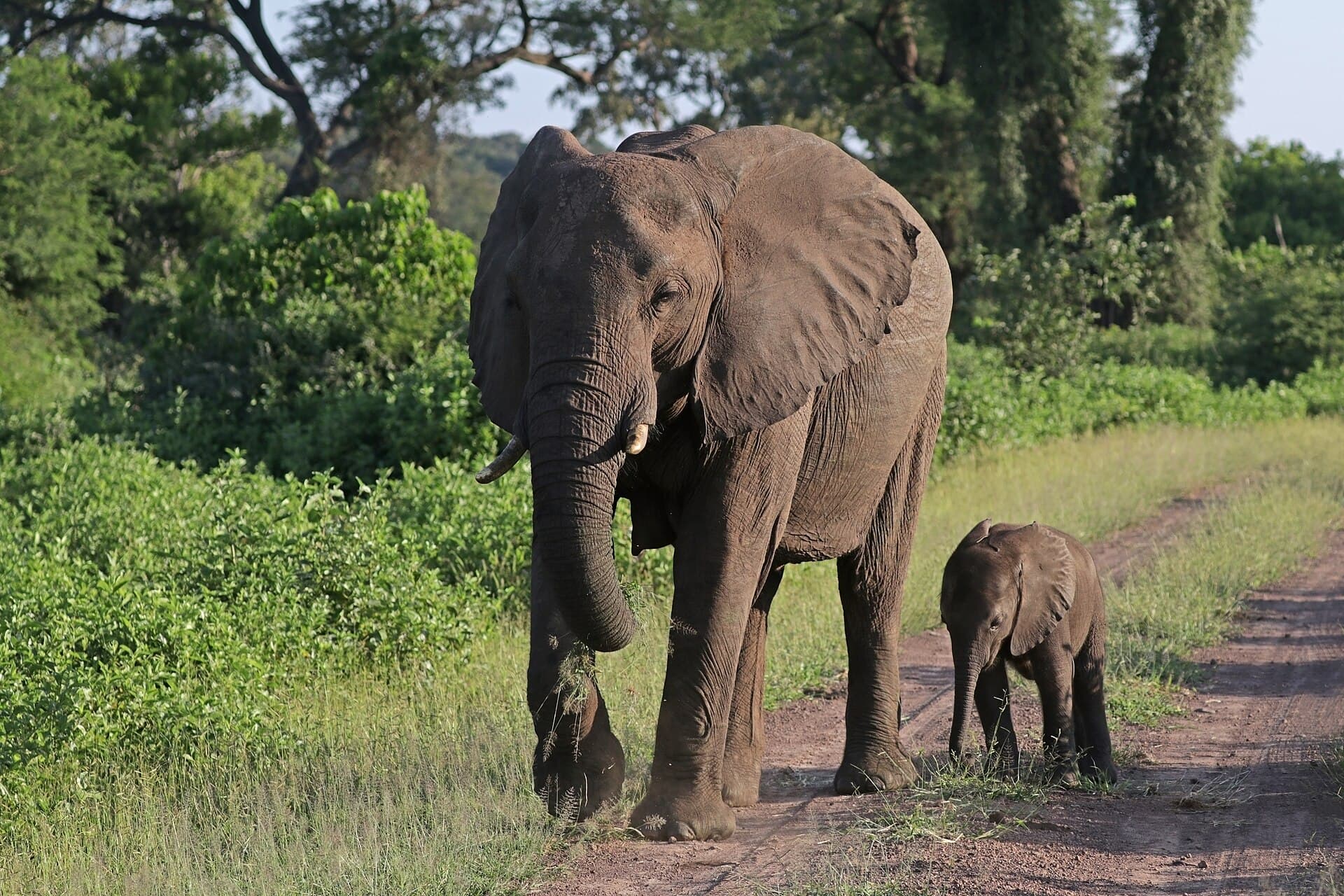
People call each other by name all the time. Very few animals are known to do anything similar. In 2024, a study of wild African elephants in Kenya suggested that elephants may be one of them.
The rumble
Elephants communicate with low-frequency calls called rumbles. Some of the sound is below the range of human hearing, and rumbles can travel long distances across the savanna. Family members use them to stay in contact, coordinate movements and greet each other.
The study
The research, led by Michael Pardo and George Wittemyer at Colorado State University with the conservation groups Save the Elephants and ElephantVoices, was published in Nature Ecology & Evolution.
The team analyzed recordings of rumbles made by wild elephants in Amboseli National Park and the Samburu and Buffalo Springs National Reserves. For each call, they knew who was calling and which elephant the call was directed at.
They trained a machine-learning model to look for patterns in the structure of the calls. The model could predict which elephant a call was addressed to more often than would be expected by chance. Calls to the same receiver were more similar to each other than calls to different receivers, even when the same elephant made them.
Testing it in the field
Patterns in sound are one thing. The researchers also wanted to know whether the elephants themselves noticed. They played recordings back to wild elephants.
When an elephant heard a call that had originally been addressed to it, it responded more strongly. It moved toward the speaker faster and called back sooner than when it heard a call from the same elephant that had been addressed to someone else.
Different from dolphins and parrots
Some dolphins and parrots also seem to call specific individuals, but they do it by imitating the other animal's own signature call. The elephant name-like calls are different. They did not sound like the receiver's own calls. That makes them more like human names, which are arbitrary labels rather than imitations.
What we don't know yet
The authors are careful about the limits. The model's accuracy was well above chance but far from perfect, so the name-like part of the call is probably subtle and shares space with other information. Researchers don't yet know exactly which part of the rumble carries the name, how young elephants learn names, or whether elephants use names when talking about an absent individual.
Why it matters for conservation
African savanna elephants are listed as endangered by the IUCN, mainly because of poaching and habitat loss. Studies like this show how rich elephant social lives are. Elephant families depend on long-term relationships and on older matriarchs who carry knowledge about water and danger. Understanding their communication helps make the case for protecting not only elephant numbers but also the family groups that hold this knowledge.
Sources
- Pardo M. A. et al. (2024). African elephants address one another with individually specific name-like calls. Nature Ecology & Evolution.
Written by Your Name
Every claim in this article is checked against the published studies listed above. Found an error? Tell us and we will correct it.
Field fact
Elephants respond more strongly to recordings of calls that were originally addressed to them.