The axolotl: a salamander that never grows up
Axolotls keep their feathery gills for life and can regrow lost limbs. They are also critically endangered in the one place they live in the wild.
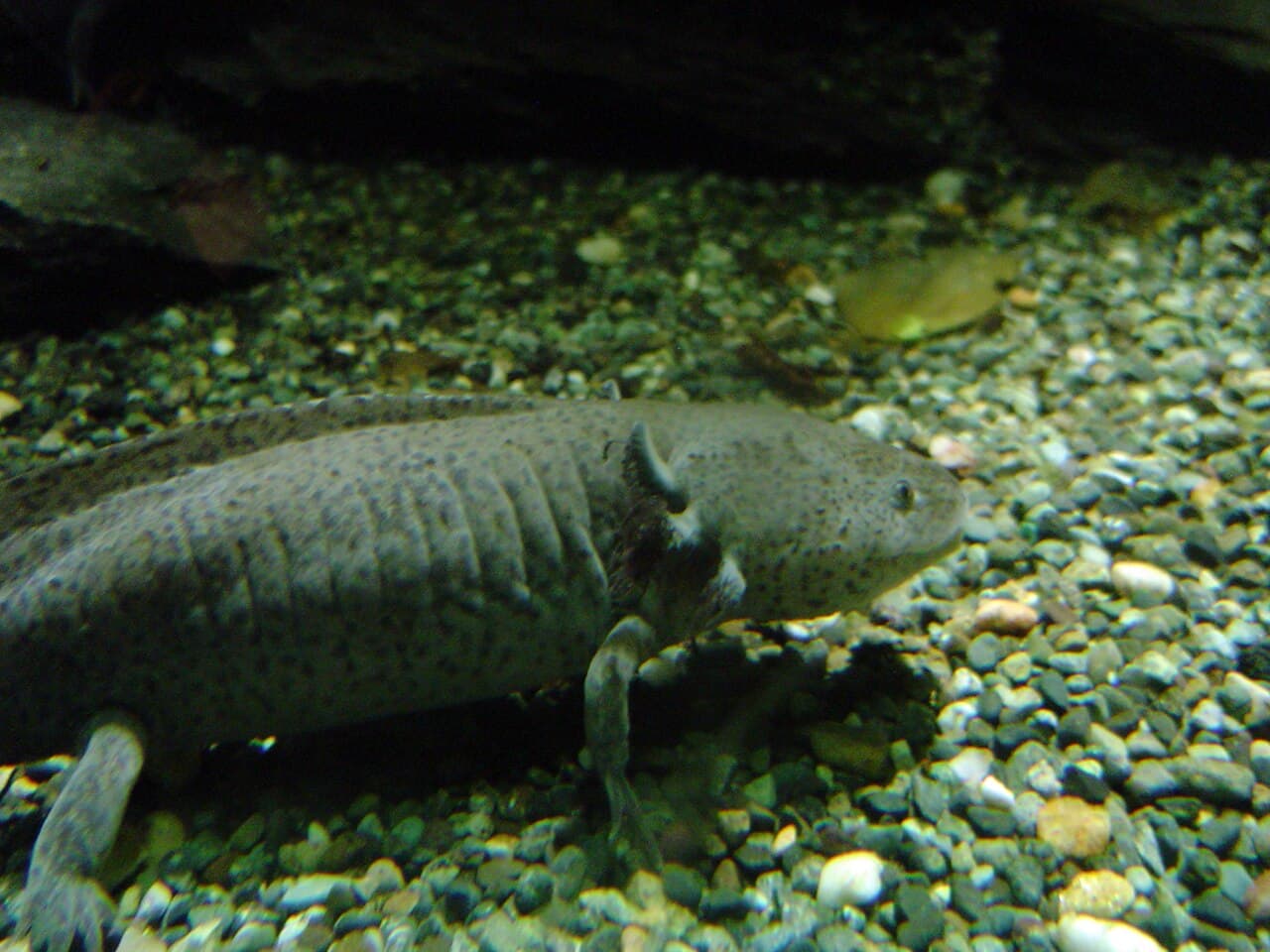
With its feathery pink gills and permanent half-smile, the axolotl has become one of the most recognizable amphibians on the internet. Behind the cute face is an animal that matters a great deal to science, and one that is in serious trouble in the wild.
A salamander that stays young
Most salamanders begin life in water as larvae with external gills, then go through metamorphosis: they lose their gills, develop lungs and move onto land. Axolotls usually skip this step. They become sexually mature while keeping their larval features, including their gills and a finned tail. This is called neoteny, a form of paedomorphosis (keeping juvenile traits into adulthood).
Axolotls do have lungs and sometimes gulp air at the surface, but they spend their entire lives underwater. Under unusual conditions, such as exposure to thyroid hormone, an axolotl can be forced to metamorphose into a land-dwelling form. This is stressful for the animal and is not something owners should try.
The champion of regeneration
Axolotls can regrow lost limbs, including the bones, muscles and nerves, without scarring. They can also repair their spinal cord, parts of their heart and parts of their brain. This ability is why axolotls have been studied in laboratories for more than 150 years.
When an axolotl loses a limb, cells near the wound form a structure called a blastema. These cells behave somewhat like embryonic cells and rebuild the missing structure in the right shape and size. Scientists hope that understanding how axolotls do this could eventually help improve wound healing and tissue repair in people, though that goal is still a long way off.
One home, under pressure
Wild axolotls are found only in the lake and canal system of Xochimilco, in the south of Mexico City. They once also lived in nearby Lake Chalco, which was drained. The International Union for Conservation of Nature lists the species as critically endangered.
Surveys show a dramatic decline. Researchers estimated around 6,000 axolotls per square kilometer in 1998. By 2014, surveys found about 35 per square kilometer, and later searches found even fewer.
The main threats include:
- Water pollution from wastewater and farm runoff.
- Urban growth that shrinks and disturbs the canals.
- Introduced fish such as tilapia and carp, which compete for food and eat axolotl eggs and young.
Hope from traditional farming
One of the most promising conservation efforts builds on an ancient farming system. The chinampas of Xochimilco are artificial island fields that the region's farmers have used for centuries. Conservation projects work with local farmers to keep chinampa canals cleaner, use fewer chemicals and install simple filters that keep invasive fish out of refuge channels.
These refuges give axolotls safer places to live and breed, while also supporting traditional agriculture. The approach recognizes that protecting the species depends on the people who live and work alongside it.
Axolotls as pets
Axolotls are widely kept as pets, and almost all of them come from captive-bred lines rather than the wild. If you are considering one, know what you are taking on:
- They need cool water, ideally around 16 to 18 °C (60 to 64 °F). Warm water stresses them.
- They need a large, cycled aquarium with good filtration and gentle water flow.
- Loose gravel is dangerous, because axolotls can swallow it and develop blockages. Bare-bottom tanks or fine sand are safer.
- They should not share a tank with fish that may nibble their gills.
- Some countries and US states restrict or ban keeping axolotls, so check local laws first.
An axolotl kept well can live for more than a decade. As with any pet, it is a long commitment.
Why they matter
The axolotl is a strange case: abundant in aquariums and laboratories around the world, yet close to disappearing in its only natural home. Its story is a reminder that a species being common in captivity does not mean it is safe in the wild.
Sources
- Voss S. R., Woodcock M. R. & Zambrano L. (2015). A tale of two axolotls. BioScience.
Written by Your Name
Every claim in this article is checked against the published studies listed above. Found an error? Tell us and we will correct it.
Field fact
Wild axolotl numbers in Xochimilco fell from about 6,000 to about 35 per square kilometer between 1998 and 2014.