How hummingbirds survive cold nights with torpor
A hummingbird's heart can top 1,000 beats a minute. To avoid starving overnight, many species drop into torpor and cool their bodies by tens of degrees.
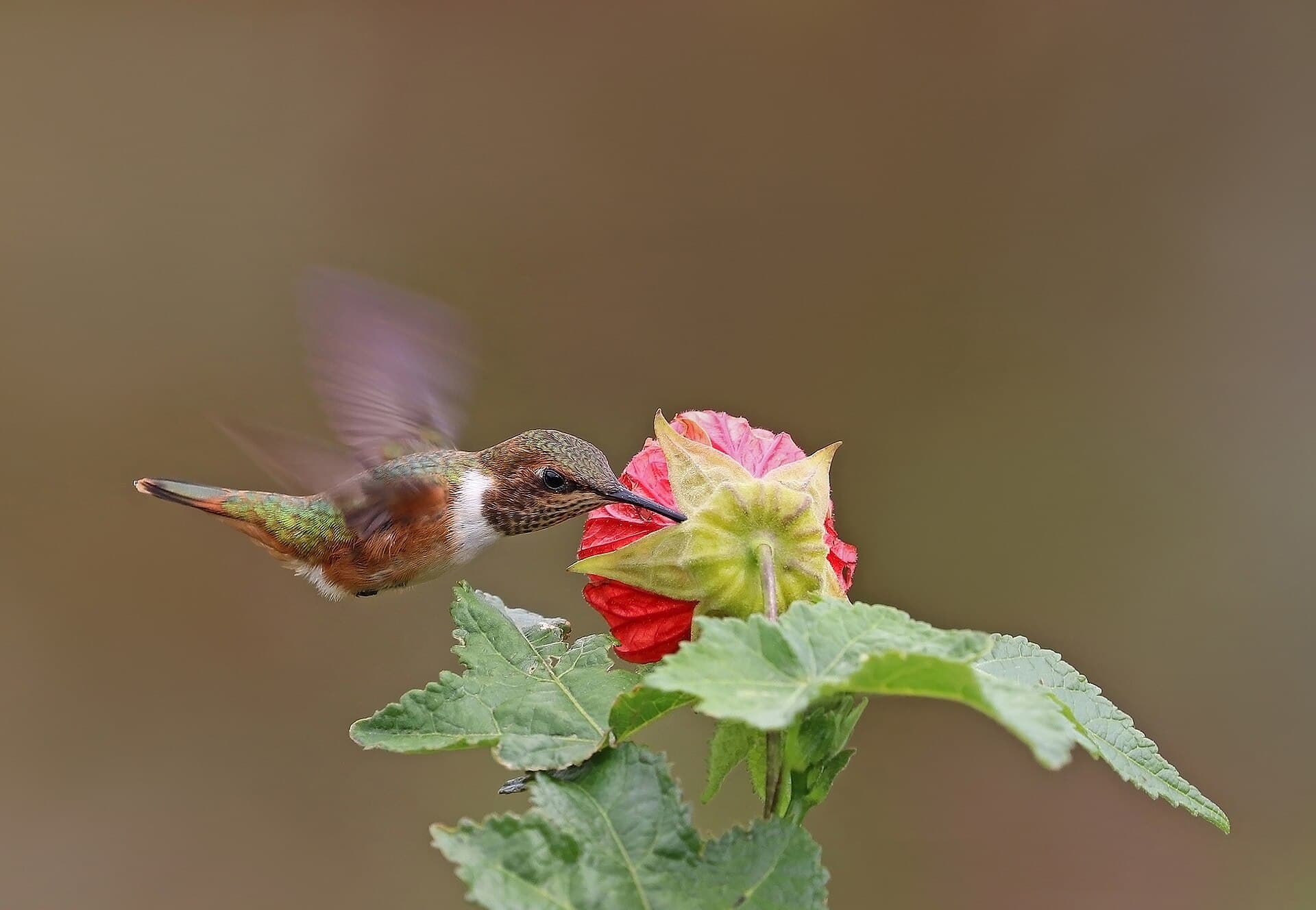
Hummingbirds live life at full speed. Small species beat their wings dozens of times per second, and their hearts can exceed 1,000 beats per minute during activity. That pace demands a huge amount of fuel. A hummingbird may visit hundreds of flowers a day and consume a large share of its body weight in nectar.
The problem comes at night. Hummingbirds can't feed in the dark, and a tiny body loses heat fast. If a hummingbird stayed at its normal daytime body temperature all night, it could burn through its energy reserves before dawn. Many species solve this with a trick called torpor.
What torpor is
Torpor is a state of deeply reduced activity. The bird lets its body temperature fall, its heart rate slows dramatically and its metabolism drops. A hummingbird in torpor can reduce its energy use by as much as 95 percent compared with being awake and resting at normal temperature.
Torpor is different from sleep. A sleeping bird still keeps its body warm. A torpid bird lets it cool, sometimes close to the temperature of the surrounding air. It is also different from hibernation, which lasts weeks or months. Hummingbird torpor usually lasts a single night.
The coldest bird on record
In 2020, researchers led by Blair Wolf published a study of hummingbirds living high in the Peruvian Andes, where nights are cold. They measured the body temperatures of several species as the birds rested overnight.
One black metaltail dropped its body temperature to about 3.3 °C (around 38 °F). That is the lowest body temperature ever recorded in a bird, and lower than that of most mammals in hibernation.
The study also found that hummingbirds manage torpor carefully. Birds with smaller fat reserves were more likely to enter torpor, and they entered it for longer. Birds that had stored more energy sometimes stayed warm through the night.
Waking up
Coming out of torpor takes effort. Before dawn, the hummingbird starts shivering its flight muscles to generate heat. Its body temperature climbs back to around 40 °C over 20 minutes to an hour, depending on the species and conditions. Its heart rate rises rapidly back toward normal.
A torpid hummingbird is barely responsive, so torpor carries a risk: a predator could find it. Choosing a sheltered roost matters.
If you find a "dead" hummingbird
Each year, people find hummingbirds hanging motionless from a branch or a feeder perch on a cool morning, sometimes even upside down, and assume they are dead. Often, the bird is simply in torpor.
If you find one:
- Leave it where it is if it is gripping a perch and seems safe from cats or other dangers. It will usually warm up and fly away as the day warms.
- Don't try to feed it or handle it unnecessarily.
- If it is on the ground or in danger, gently place it in a small, ventilated box in a quiet, warm spot and contact a local wildlife rehabilitator for advice.
In many countries, including the United States, wild birds are legally protected, so caring for one yourself beyond short-term first aid is not allowed. A licensed rehabilitator is the right next step.
Helping hummingbirds near home
If you live where hummingbirds visit, planting native flowering plants provides natural nectar and attracts the small insects that hummingbirds also need for protein. If you use a feeder, a solution of one part white sugar to four parts water is the standard recommendation. Skip red dye and honey. Clean the feeder every few days, more often in hot weather, to stop mold and harmful fermentation.
The next time you see a hummingbird zip past, remember that its daytime energy is only half the story. Its survival also depends on a nightly shutdown that takes its body closer to the edge than almost any other bird on Earth.
Sources
- Wolf B. O. et al. (2020). Extreme and variable torpor among high-elevation Andean hummingbird species. Biology Letters.
Written by Your Name
Every claim in this article is checked against the published studies listed above. Found an error? Tell us and we will correct it.
Field fact
A black metaltail hummingbird cooled its body to about 3.3 °C overnight, the lowest ever recorded in a bird.