Do dogs feel guilty? What the guilty look means
Lowered eyes, ears back, tail tucked. An experiment found the guilty look appeared when owners scolded, whether or not the dog had done anything wrong.
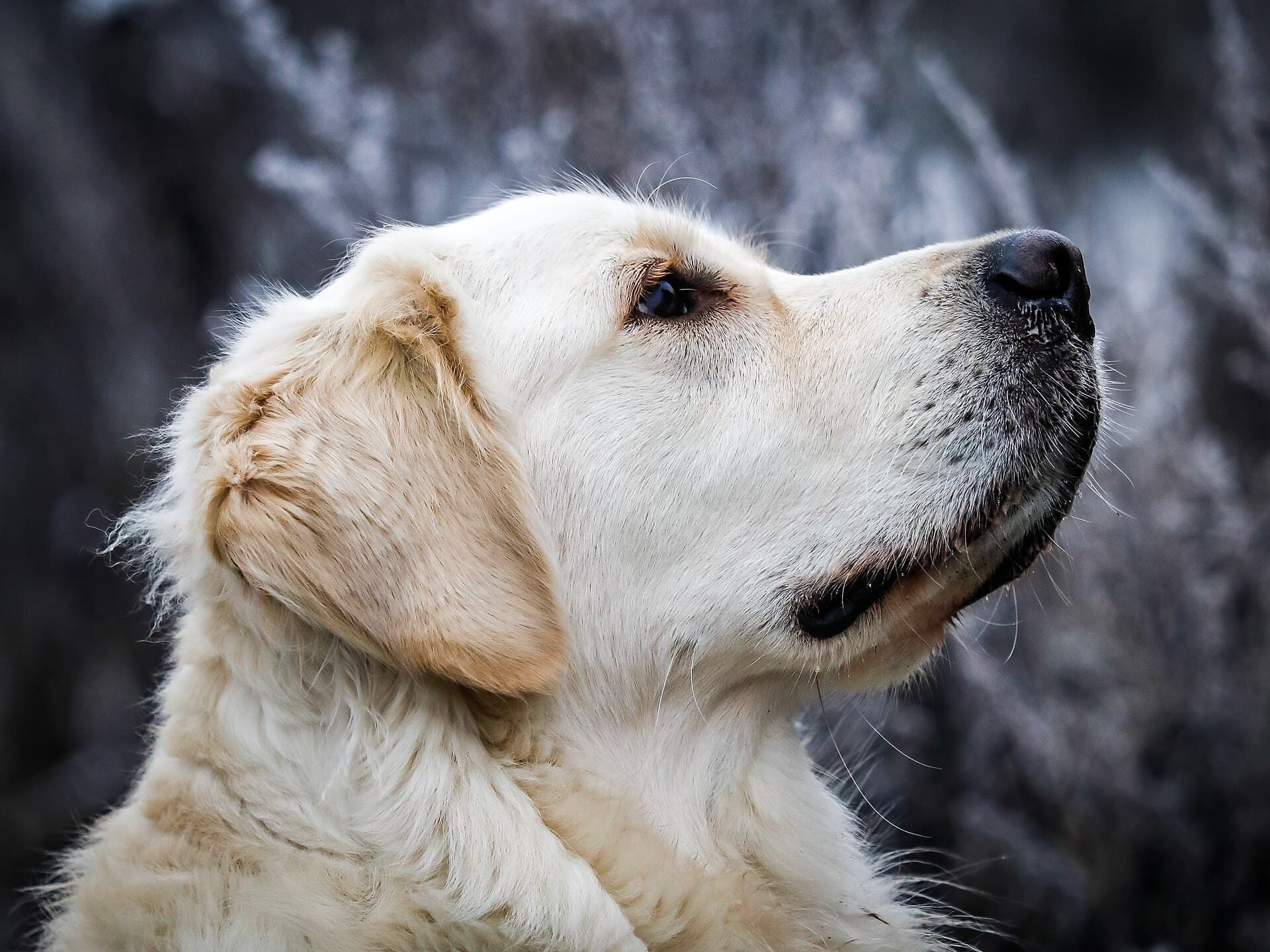
You come home to a chewed shoe, and your dog greets you with the look: head low, eyes turned away, ears flattened, tail tucked or wagging low. Many owners see this as proof that the dog knows it did something wrong. A well-known experiment suggests the look is better explained by what the owner is doing.
The experiment
In 2009, dog cognition researcher Alexandra Horowitz, then at Barnard College in New York, published a study in Behavioural Processes. Owners showed their dogs a tempting treat, told them not to eat it and left the room.
While the owner was away, the researcher either gave the dog the treat or removed it. When the owner came back, they were told whether the dog had eaten the treat. The twist was that this information was sometimes false. Some owners were told their dog had disobeyed when it had not, and the other way around. Owners who believed their dog had disobeyed scolded it.
The researchers filmed the dogs and counted the classic "guilty" behaviors.
What they found
Whether a dog had actually eaten the treat made little difference to how guilty it looked. What mattered most was whether the owner scolded it.
The strongest guilty looks came from dogs that had obeyed but were scolded anyway. In other words, the look appeared in response to the owner's behavior, not as a confession.
So what is the look?
Lowering the body, avoiding eye contact and tucking the tail are appeasement signals. In dogs, they help reduce tension and head off conflict. A dog that sees an owner looking angry, speaking sharply or standing over it uses those signals to calm the situation.
The study does not prove that dogs never feel anything like guilt. Emotions are hard to measure in any animal. What it does show is that the guilty look is not reliable evidence that a dog knows it broke a rule.
Why punishing after the fact doesn't work
Dogs learn best when a consequence follows a behavior within seconds. Scolding a dog for something it did hours earlier teaches it something different: that your arrival home is sometimes unpredictable and stressful. Over time this can make greetings anxious and damage trust.
What to do instead
- Manage the environment. Put shoes, bins and food out of reach, or use a gate to limit access when you are away.
- Give your dog something better to do. Chew toys, puzzle feeders and enough exercise reduce boredom chewing.
- Reward what you want. Praise and treat your dog when it chooses the right toy or leaves something alone.
- Interrupt calmly in the moment. If you catch your dog in the act, redirect it to an appropriate item and reward that instead.
- Look for causes. Destructive behavior when left alone can be a sign of separation-related stress. If it is frequent, talk to your vet or a qualified behaviorist.
The takeaway
That guilty face is real communication, just not the kind we assumed. It says "please don't be angry with me," not "I know what I did." Responding with calm management and clear rewards helps far more than a scolding.
Sources
- Horowitz A. (2009). Disambiguating the "guilty look": salient prompts to a familiar dog behaviour. Behavioural Processes.
Written by Your Name
Every claim in this article is checked against the published studies listed above. Found an error? Tell us and we will correct it.
Field fact
In one experiment, dogs looked most "guilty" when they were scolded for something they had not done.