Why guinea pigs need vitamin C every day
Like humans, guinea pigs cannot make their own vitamin C. Here is why that matters, what scurvy looks like and which foods keep your guinea pigs healthy.
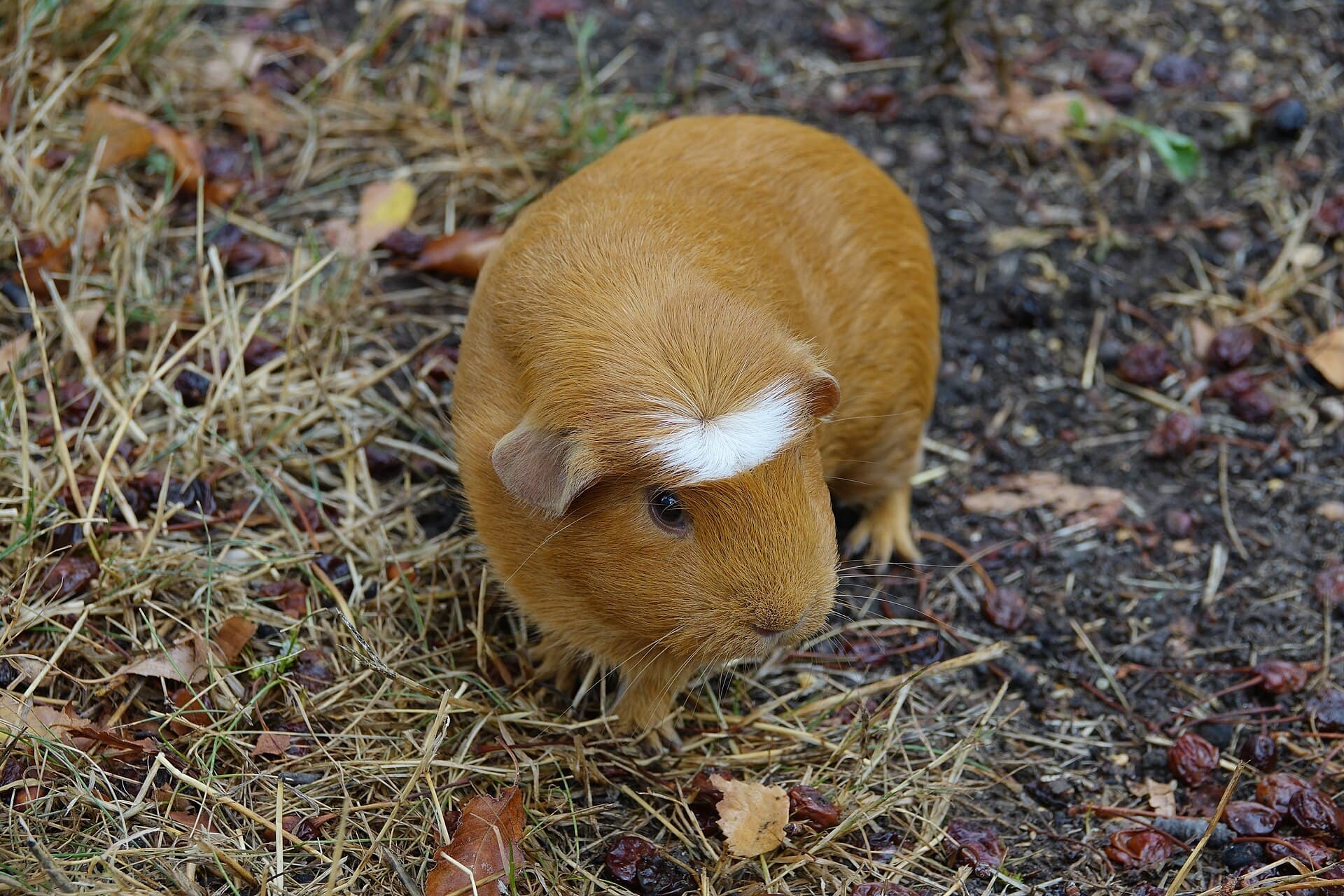
Guinea pigs are gentle, chatty and easy to love. They also have one unusual nutritional need that every owner should understand: they must get vitamin C from their food every single day.
A shared genetic quirk
Most mammals make their own vitamin C in the liver. They use an enzyme called L-gulonolactone oxidase to do the final step. Guinea pigs, like humans and other primates, carry a broken version of the gene for this enzyme. Without it, they cannot make vitamin C and must eat it instead.
Our two species lost the ability independently, through separate mutations, so this is a coincidence of evolution rather than a sign of close relationship.
Why vitamin C matters
Vitamin C is needed to make collagen, the protein that holds together skin, gums, blood vessels, joints and bones. It also supports the immune system and wound healing.
A guinea pig that does not get enough vitamin C develops scurvy, the same disease that once affected sailors on long voyages. Because guinea pigs cannot store much vitamin C, signs can appear within a couple of weeks of a poor diet.
Signs of scurvy
Watch for:
- A rough or scruffy coat
- Reluctance to move, or a hunched, stiff posture
- Swollen or painful joints and squealing when handled
- Bleeding gums or small bruises
- Weight loss, poor appetite or diarrhea
- Slow wound healing
Vitamin C deficiency also makes guinea pigs more vulnerable to other illnesses, including respiratory and dental disease. If you see these signs, contact a vet experienced with small mammals. Scurvy is treatable, especially when caught early.
Feeding for vitamin C
A healthy guinea pig diet has three main parts:
- Unlimited grass hay. Hay should make up most of the diet. Guinea pig teeth grow throughout life, and chewing hay keeps them worn down and the gut moving.
- Fresh vegetables every day. Around one cup per guinea pig per day is a common guideline. Good vitamin C sources include bell peppers (especially red and yellow), kale, parsley, coriander and broccoli. Rotate vegetables and introduce new ones slowly.
- A small portion of guinea pig pellets. Choose pellets made for guinea pigs, not rabbits. Rabbit pellets don't contain the vitamin C guinea pigs need.
Fruit such as orange or kiwi contains vitamin C but is high in sugar, so keep it as an occasional treat.
Common mistakes
- Relying on old pellets. Vitamin C breaks down over time, especially once a bag is opened. Check the milling or best-before date, buy small bags and store them somewhere cool and dark.
- Adding vitamin C to drinking water. It degrades quickly in light and water, and the taste can put guinea pigs off drinking. Most vets recommend getting vitamin C from fresh food instead, with a vet-prescribed supplement only if needed.
- Feeding iceberg lettuce as a main vegetable. It is mostly water and has little nutritional value.
Guinea pigs need company too
Guinea pigs are highly social and do best with at least one other guinea pig. In Switzerland, animal welfare law requires social animals such as guinea pigs to be kept with companions of their own species. Pairs of females, or a neutered male with one or more females, often get along well.
The short version
Hay all day, a cup of fresh vegetables rich in vitamin C, a small portion of fresh guinea pig pellets and a friend to share it with. Get those basics right and your guinea pigs have the foundation for a long, healthy life.
Sources
- RSPCA (guide). Guinea pig care and welfare.
- Drouin G., Godin J.-R. & Pagé B. (2011). The genetics of vitamin C loss in vertebrates. Current Genomics.
Written by Your Name
Every claim in this article is checked against the published studies listed above. Found an error? Tell us and we will correct it.
Field fact
Guinea pigs and humans share a broken gene that stops them making their own vitamin C.