Hamster care: what a happy hamster really needs
Hamsters are often sold as simple starter pets, but they need space, deep bedding and a solitary home. A practical guide to what makes them thrive.
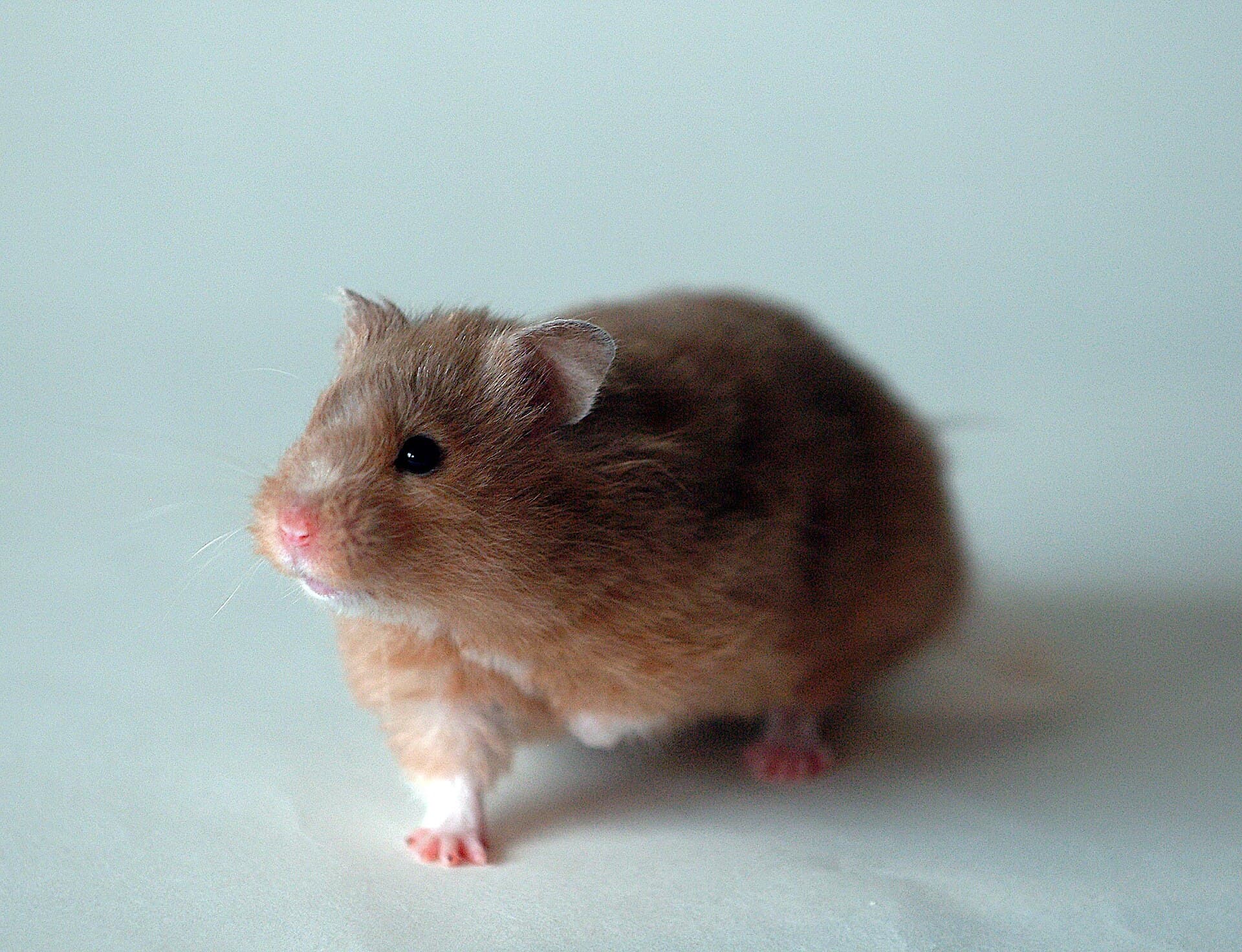
Hamsters are one of the most popular small pets, especially for families. They are also among the most misunderstood. Many are kept in cages that are too small, with too little bedding, or with a companion they will fight. Getting a few basics right makes a big difference to their welfare.
Know your species
The most common pet hamster is the Syrian, or golden, hamster. Wild Syrian hamsters live in a small area of northern Syria and southern Turkey and are now considered vulnerable in the wild. Almost all pet Syrian hamsters are descended from a few animals collected near Aleppo in 1930.
Several smaller "dwarf" species are also kept as pets, including Roborovski and Campbell's hamsters. Their needs are similar, but they differ in size and temperament.
Syrian hamsters must live alone
Adult Syrian hamsters are solitary. Two adults kept together will often fight, sometimes causing serious injuries. A Syrian hamster does not get lonely living alone; it needs space and things to do, not a roommate.
Dwarf hamsters are sometimes kept in pairs, but fighting is common and can start suddenly. If you keep dwarf hamsters together, have a spare enclosure ready in case you need to separate them.
Bigger is better
Many commercial hamster cages are far too small. Hamsters are active animals that may travel long distances in a night. Welfare organizations now recommend much larger enclosures than were common in the past, with a large unbroken floor area. A big glass tank, a large bin cage or a purpose-built enclosure often works better than a small wire cage.
Deep bedding for digging
In the wild, hamsters dig burrows. Pet hamsters still have a strong urge to dig and tunnel. Provide a deep layer of paper-based or other safe bedding, deep enough for your hamster to build tunnels that hold their shape. Avoid cedar and pine shavings, which can irritate the airways, and fluffy cotton-wool style bedding, which can tangle around limbs.
Choose the right wheel
A running wheel is essential, but size matters. If your hamster's back arches while it runs, the wheel is too small and can cause back problems. Choose a wheel with a solid running surface, not bars or mesh, which can trap feet.
Day and night
Hamsters are mostly active at dusk and during the night. Waking a sleeping hamster to play can be stressful and is a common reason hamsters bite. Place the enclosure in a quiet room away from direct sun, drafts and loud noise, and interact in the evening when your hamster is awake.
Food and teeth
Feed a good-quality hamster food as the base of the diet, with small amounts of fresh vegetables. Hamsters carry food in their cheek pouches and store it in hoards, so don't be surprised to find a stash in the bedding. Avoid sugary treats, and never feed citrus, onion, garlic or chocolate.
Like other rodents, hamsters have teeth that grow continuously. Provide safe things to chew, such as untreated wood chews, hay-based toys and cardboard.
Health signs to watch
Contact a vet with small-mammal experience if you notice weight loss, a wet or dirty tail area, lumps, overgrown teeth, eye discharge, or a sudden change in activity. Wet tail, a form of severe diarrhea, can be fatal quickly in young hamsters and needs urgent treatment.
A short life, lived well
Hamsters usually live only two to three years. With space, deep bedding, a good wheel and respect for their sleep, those years can be full and active.
Sources
- RSPCA (guide). Hamster care and welfare.
Written by Your Name
Every claim in this article is checked against the published studies listed above. Found an error? Tell us and we will correct it.
Field fact
Syrian hamsters are solitary as adults and can fight seriously if housed together.